TL;DR
- Drone thermal roof inspections detect hidden moisture, insulation gaps, and structural issues that traditional inspections often miss.
- Infrared imaging identifies temperature differences, helping pinpoint problem areas before visible leaks appear.
- Drone surveys are faster, safer, and provide full roof coverage without the need for manual access.
- Accurate thermal reports reduce guesswork, prevent repeated repairs, and support insurance documentation.
- Scheduling inspections at the right time (dry conditions, evening hours) ensures the most reliable results.
Why Roof Leaks Are Hard to Diagnose (And Why Repairs Fail)
Roof leaks are tricky since water often trickles where you least expect it. It can slip through gaps in insulation or pool in low spots before it becomes visible.
That means a roof can look perfectly fine from a ladder inspection, yet moisture is quietly compromising its structure beneath the surface. That frustration is familiar to many building owners: “I fixed it, but the leak came back.”
Traditional repair approaches can also fail to find the cause of the leak. Any fix is guesswork without seeing what’s really happening beneath the surface. Even seasoned contractors with standard tools can only reach so far.
Recognizing this problem is the first step to preventing repeated repairs and keeping your roof—and your peace of mind—intact.
What Is a Thermal Roof Inspection?
A thermal roof inspection uses infrared technology to detect heat differences. When water sneaks in under roofing materials or hides inside insulation, it changes the way heat moves across the surface.
Thermal cameras pick up these patterns, helping operators find problem areas before lifting a shingle.
The difference from a traditional inspection is easy to see. Looking at a roof with the naked eye only tells you what’s on top—climbing ladders with a flashlight? Slow, tricky, and a little risky.
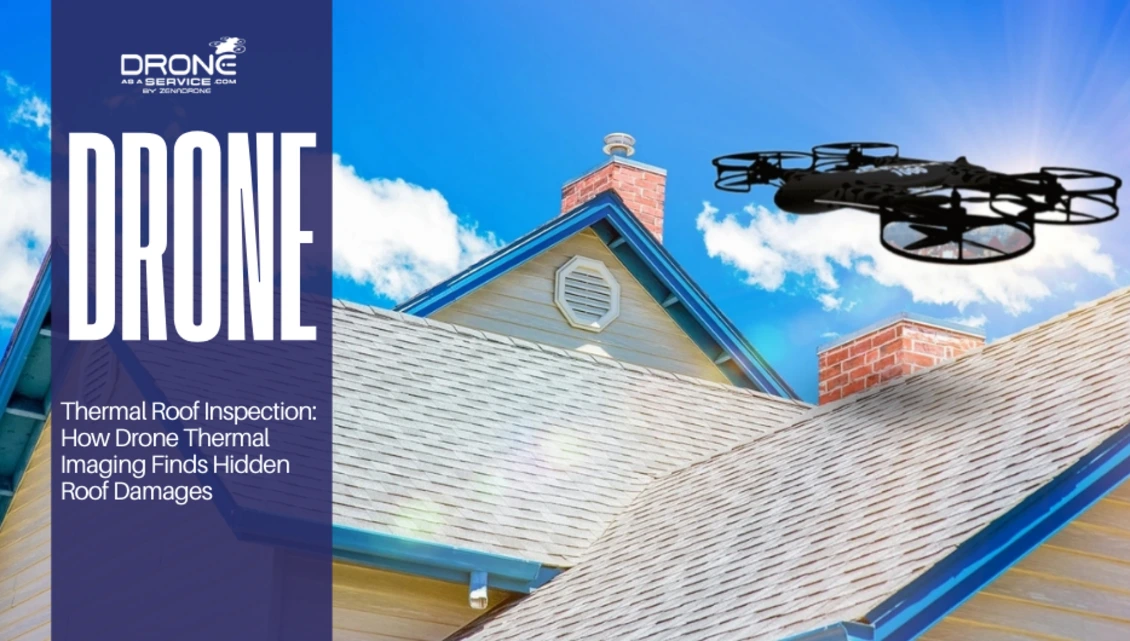
Thermal imaging goes deeper, revealing hidden moisture or gaps in insulation. Drones also do it faster and safer, sweeping the whole roof while capturing both high-resolution photos and thermal overlays.
Instead of guessing where a leak could be, operators follow precise flight paths, scanning for temperature changes and moisture anomalies.
What Drone Thermal Roof Inspections Detect That Humans Can’t See
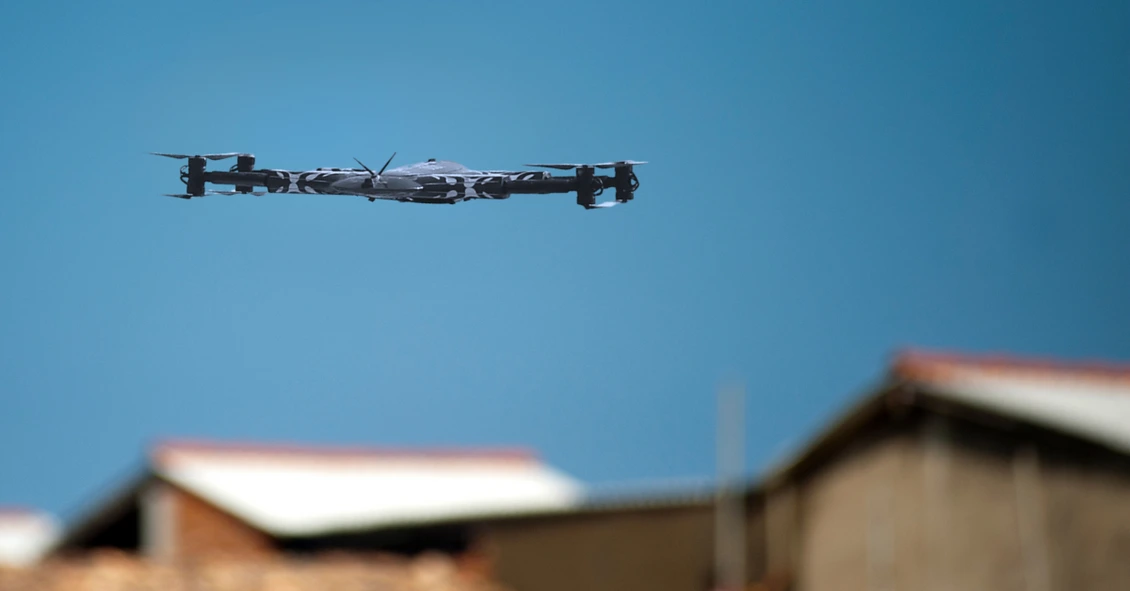
While a manual walk-through has its merits, it often misses what’s happening beneath the surface. A Drone Thermal Roof Inspection provides a comprehensive look at the structural health of a building by identifying the following hidden issues:
- Sub-Surface Moisture: Water often collects under membranes, weakening the structure over time. Standard ladder inspections frequently miss these hidden pockets that silently compromise the roof’s integrity.
- Wet Insulation Zones: Undetected moisture in insulation spikes energy costs and degrades materials. Identifying these saturated zones early prevents localized dampness from becoming a full-scale replacement project.
- Membrane Separation: Infrared cameras detect heat variances caused by air pockets or delamination. Finding these structural gaps early allows for targeted repairs before leaks manifest.
- Thermal Bridging: Fluctuations in temperature reveal where insulation is missing, compressed, or failing. Addressing these weak spots prevents energy loss and extends the lifespan of the roofing system.
- Hidden Insulation Gaps: It isn’t always obvious when insulation has shifted or been crushed. Thermal imaging highlights these voids so they can be filled to restore climate control and efficiency.
- Stagnant Water Pooling: Low spots that collect water often go unnoticed at eye level, but they accelerate material wear and algae growth. Drones pinpoint these drainage failures before they lead to penetration.
- HVAC System Leaks: Condensation or mechanical leaks from rooftop HVAC units can cause significant damage. Thermal imaging alerts building owners to these anomalies before they result in structural rot.
How Drone Roof Surveys Work Step-by-Step
A good drone thermal roof survey has a clear set of steps to make sure nothing is missed, everyone stays safe, and the results are actually useful:
Check the Roof Before Flying
Drone operators take the time to learn about the roof before planning a flight. They look over the roof plans, check the access points, and think about things that could happen in the real world, like the wind, the position of the sun, and things that are in the way.
This step sets the mood for the whole survey. It helps plan safe flight paths, avoid surprises, and make sure everything goes smoothly from start to finish.
Map During the Day, Then Do a Thermal Scan at Night
The first step is usually to take high-resolution pictures of the roof surface during the day. These pictures show important details on the surface that will help later on. The thermal scan starts when the sun goes down, and the roof has had time to cool down.
This timing makes it easier to see the differences in heat. The roof’s condition is much clearer when you look at both the visual and thermal scans.
Patterns for Thermal Scans
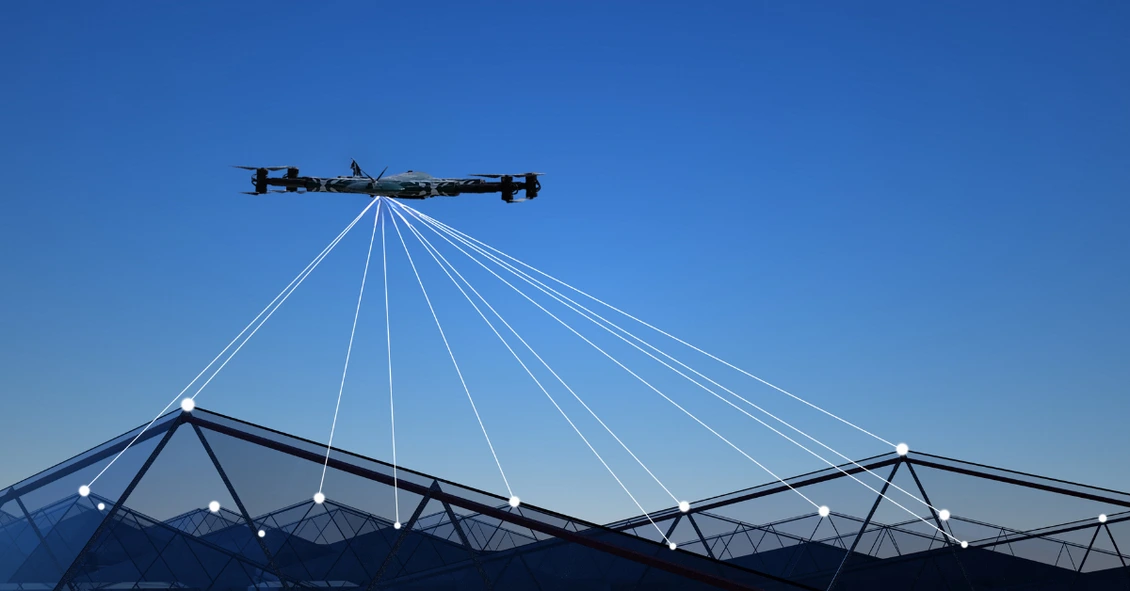
During the thermal inspection, the drone flies along carefully planned paths that cover the whole roof. There are no gaps between passes, so nothing is missed. Taking pictures in both visible and infrared light at the same time makes it easier to connect what’s going on on the surface with what might be going on below.
High-Resolution Photo and Thermal Overlay
The visual and thermal images are put together after the flight. This overlay shows exactly where thermal anomalies and visible roof features line up. It makes it easy to clearly and accurately mark problem areas, which is much more reliable than just using visuals or thermal data.
Making Reports
After all the information has been gathered, it is made into a clear, detailed report. There are sections on the roof, and areas that are thought to be suspicious are highlighted.
Levels of severity are given, and clear notes explain what needs to be done. The report is also set up in a way that meets insurance requirements in case documentation is needed later.
What are the Best Conditions for a Thermal Imaging Roof Inspection?
Getting the right results depends on the right timing and conditions. When the weather makes it easier to see heat differences without getting in the way, thermal inspections work best.
Time of Day
The best times are in the late afternoon, after the sun goes down, or in the early evening. The sun’s heat has faded, so thermal images show areas where moisture is trapped or insulation is broken very clearly.
Dry Roof Surface
Rain or dew on the roof can confuse the camera and make it harder to see what’s really going on under the roof layers. Set up inspections to happen at least a day or two after it rains.
Sunny Weather (No Rain)
If the roof has been in the sun all day, it will evenly absorb heat. It makes temperature differences stand out more when scanning at night.
Calm Wind Speeds
Calm wind speeds can make or break any drone operation. Strong winds can shake the drone, destabilize it, or change the temperature readings, making them less accurate.
Flat vs. Pitched Roofs
The roofs are not the same. Flat roofs are more likely to show water buildup, but pitched roofs need careful planning for safety and slope when flying. Experienced operators consider these differences and choose the best flight patterns and thermal capture for each type of roof.
What Thermal Images Really Show (And What They Don’t)
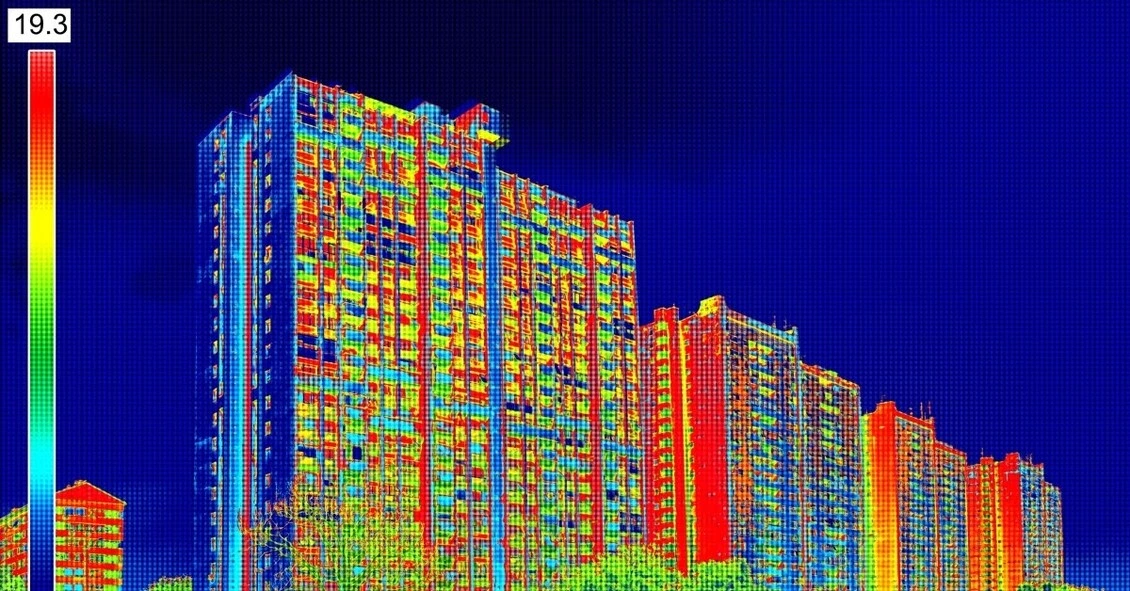
Thermal imaging is a great way to find problems with roofs that you can’t see, but it’s not magic. It works by picking up temperature differences across the roof, which can show that there is too much moisture or that the insulation isn’t working right.
Operators can find problem areas, set repair priorities, and cut down on guesswork by combining thermal scans with high-resolution visual photos and expert analysis.
The result is a better understanding of the roof’s condition, which saves time, money, and prevents leaks from happening again.
What Can Thermal Images Show?
- Water trapped under the roof membrane: Water trapped under membranes heats or cools differently than dry areas. It makes leaks or standing water more visible on flat roofs.
- Gaps or flaws in the insulation: If the insulation is missing, compressed, or broken, it will feel hotter or colder than the areas around it. Over time, these spots can make things less energy-efficient and speed up wear.
What Can’t Thermal Images Show?
- Exact leak location: Thermal images can show where things are wrong, but they can’t tell you exactly where the water is coming in. You will often need to check or probe again.
- How wet the roof really is: Thermal cameras can show how wet the surface is, but they can’t tell how much moisture has gotten to the deeper layers. A full assessment may require more tests.
Thermal Roof Inspection Report: What You Should Expect
The only thing that makes a full thermal roof inspection useful is the report that comes out of it. A good report gives you all the information you need to make smart decisions about repairs and maintenance on your roof.
Key Components Of A Good Thermal Roof Report
Reports that are well-organized, easy to read, and include thermal, visual, and analytical context make raw data into useful information. Owners of buildings can plan repairs with confidence, save time, and keep their roofs in great shape without having to guess.
Here’s what makes a good thermal roof report:
- Thermal images with notes that show suspect areas: Every problem area is clearly marked, so you can see exactly where moisture or insulation problems might be hiding.
- High-resolution drone photos for context: It’s hard to understand thermal patterns by themselves. Putting them next to pictures of the areas that were affected shows what they really look like.
- Roof map overview broken up into sections: This makes it easy to find problem areas and keep track of follow-ups over time.
- Areas where moisture is likely to be present are clearly marked: This makes it much easier to plan repairs.
- Problems are given severity levels: Some problems are more serious than others. Labeling things by how bad they are can help you decide what to fix first and keep costs down.
- Suggestions for repairs or more tests: Reports can tell you what to do next, whether it’s fixing them, doing more tests, or keeping an eye on them.
- Paperwork that works for insurance claims: A clear, well-organized report gives you tangible documentation you can use to file an insurance claim.
Drone Thermal Roof Inspection vs Traditional Inspections
Side-by-side comparison shows why drones outperform traditional inspections:
The difference is clear: drones provide faster, safer, and more comprehensive inspections.
How Much Does a Thermal Roof Inspection Cost?
The price of a roof depends on its type and how hard it is to work on:
- Roofs for homes cost between €250 and €500.
- Roofs for small businesses: €500 to €1,200
- Big business roofs cost between €1,200 and €3,000 or more.
The price will depend on the size of the roof, how hard it is to get to, whether it is flat or pitched, how complicated the flight plans are, and how detailed the report is. It might cost more to get a full report with thermal images and repair suggestions, but it will be worth it in the end.
When Should You Book Drone Thermal Roof Inspection Services?
Knowing when to schedule a thermal roof inspection can save you a lot of time, money, and stress, as well as having to do the same repairs over and over.
Some problems may not seem that bad at first, but they can get worse over time if there is moisture or gaps in the insulation. It can lead to expensive damage later on.
A drone thermal roof inspection is very helpful at these important times:
After Repairs
A thermal inspection can show if repairs worked or if moisture is coming back into places, and in many cases, follow-up maintenance like drone power washing services helps remove buildup and prevent further damage.
When Buying or Selling Commercial Property
Are you buying or selling a business property? Before you make a deal, it’s very important to know what the roof is really like. A thermal survey gives both buyers and sellers peace of mind about how strong the roof is.
Before Warranty Expires or Before Major Repairs
An inspection should be done before the warranty runs out or major repairs are needed. Doing so ensures that coverage claims are valid and helps plan work better.
After Severe Weather Events
Severe weather can cause leaks or damage that you can’t see after storms or heavy rain. Thermal inspections can find places where water has gotten in that you might not be able to see yet.
Before Major Overlays or Roof Replacements
Before a big overlay or roof replacement, contractors need to know exactly where the problems are so they can fix them quickly and without spending more money than they need to.
For Insurance Claims and Risk Assessments
High-quality thermal reports give insurers solid proof that helps prove claims and cut down on disputes. It helps with insurance claims and risk assessments.
It’s not safe to wait until you can see the damage. Moisture can keep hurting the roof structure long before you notice a leak or stain inside. A thermal inspection can find problems early, which means repairs that are more accurate, fewer repairs, and a longer roof life.
Planning will protect your investment, keep your roof safe and working well for years to come, and keep you from having to deal with problems.
Final Takeaway
Drone thermal roof inspections make it much easier to find problems with moisture and insulation early on, even if there aren’t any visible signs yet. They save time, lower risk, and lower overall costs because they can quickly cover large areas and keep inspectors off the roof.
The real value comes from getting clear reports and accurate results. They show you exactly where the problems are and what to do next, like making plans for repairs or getting help with an insurance claim.
With the right inspection methods, building owners can prevent recurring leaks and make smart maintenance decisions. As a result, their roofs can protect them for years.
If you’re ready to move forward, contact a professional drone surveying company to get a quote for a drone roof survey, schedule a drone thermal roof inspection, or request a full roof moisture survey report today.