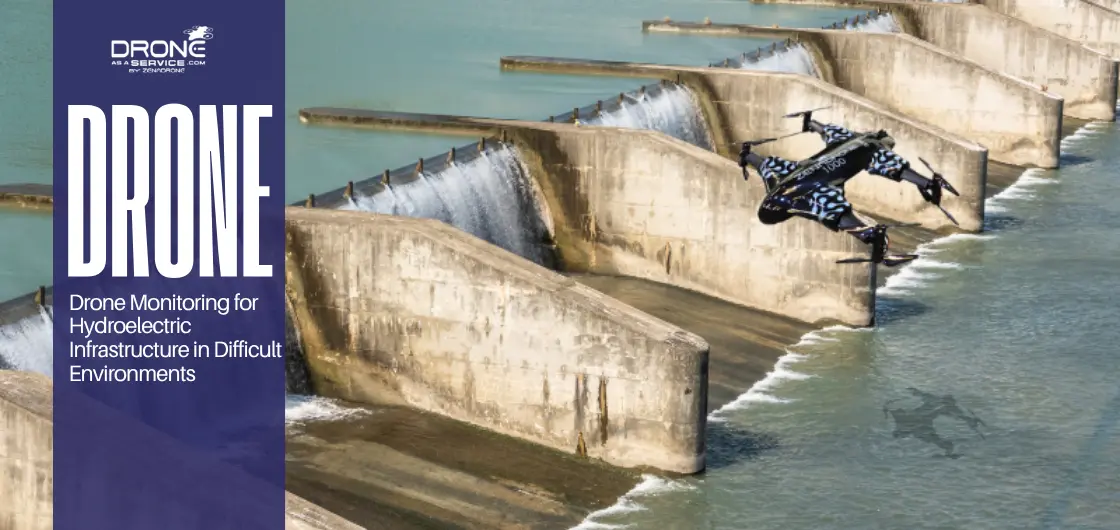
Drone Monitoring for Hydroelectric Infrastructure in Difficult Environments
Hydro power facilities are some of the most impressive structures in modern engineering, but they are often built in the most difficult environments on Earth.
These facilities must withstand steep terrain, strong winds, and high water pressure, all of which make regular manual inspections very risky. Because of these dangers, drone monitoring for hydroelectric infrastructure has become a much safer and faster way to manage these sites.
By using technologies like AI drone infrastructure inspection, thermal drone inspection for turbines, and predictive maintenance using drones, plant operators can now get precise details about their equipment without putting their workers in danger.
In addition to safety, remote infrastructure drone monitoring provides a way to keep a constant eye on areas that are otherwise very hard to reach.
Keeping a dam in good working order is a massive job, and a hydroelectric dam drone inspection is the key to making sure everything stays reliable. Today, companies that provide drone services for the energy sector needs have become essential for the long-term success of Hydro power infrastructure monitoring.
Introduction to Drone Monitoring for Hydro power Infrastructure
A hydroelectric plant is made up of many different parts, like dams, turbines, spillways, and reservoirs. Each of these parts is under constant stress from the weight and movement of the water. If a small crack or a bit of wear goes unnoticed, it can quickly grow into a major failure that could shut down the entire plant.
This is why drone monitoring for hydroelectric infrastructure is so important, because it increases efficiency while lowering the physical risks for the staff. In the past, workers had to use heavy scaffolding, ropes, or massive cranes to check these structures, which was both expensive and dangerous.
Modern Hydro power infrastructure monitoring has changed into a data-driven process where a hydroelectric dam drone inspection can take thousands of high-quality pictures in a single flight. After the flight, AI drone infrastructure inspection software can look through all those images in just a few minutes.
One of the best parts about remote infrastructure drone monitoring is that it allows for inspections while the turbines are still spinning. This means that predictive maintenance using drones can find early warning signs without stopping power production. By hiring drone services for energy sector experts, facilities get consistent and reliable results every time.
Challenges of Hydroelectric Infrastructure Inspections
Many dams are in remote, mountainous regions with narrow, unstable access roads. Transporting heavy inspection equipment is challenging.
Other environmental hazards include:
- Strong winds and mist are limiting visibility
- Vertical dam walls hundreds of feet high
- Fast water discharge from spillways
Traditional hydro power infrastructure monitoring forces workers to stand on slippery surfaces at extreme heights. These manual checks take a long time to set up and usually require the plant to stop generating electricity.
Remote infrastructure drone monitoring solves these problems by allowing tools to reach tight or high spaces without any scaffolding. Experts who provide drone services for the energy sector can help plan specific flight paths that work even in these extreme conditions.
Using predictive maintenance with drones helps catch small problems before they get big. AI drone infrastructure inspection is also great at finding structural changes very quickly.
This keeps drone monitoring for hydroelectric infrastructure safe, efficient, and very accurate. Even when the terrain is steep or the soil is unstable, drones provide a way to inspect the site without the high costs and delays of moving heavy machines. There are also environmental rules that might stop people from walking in sensitive areas around a reservoir, which can slow down a manual hydroelectric dam drone inspection.
Manual work can also make people very tired, and that leads to more mistakes. Remote infrastructure drone monitoring can reach these hazardous zones safely without making any compromises on the quality of the data. Professional drone services for energy sector providers can gather accurate information in places where it is simply too risky for humans to go.
By using predictive maintenance using drones, small issues are fixed before they turn into expensive disasters. The speed of AI drone infrastructure inspection also means that teams do not have to spend weeks at a site. Even in heavy rain or mist, drone monitoring for hydroelectric infrastructure gives managers reliable oversight while keeping their workers safe.
Core Drone Technologies in Hydroelectric Monitoring
High-Resolution Visual Imaging
The foundation of drone monitoring for hydroelectric infrastructure is the use of high-definition cameras. These cameras can see tiny cracks and surface wear that a human might miss.
There are many benefits to using this technology, including the ability to create repeatable visual data so that engineers can compare images from different years. Drones can also provide a live feed so that experts can watch the inspection in real-time. All of these images are stored in digital archives so that anyone can track how a defect changes over time.
Using AI drone infrastructure inspection to look at these images makes predictive maintenance using drones much more effective. Teams that provide drone services for energy sector support rely on this visual data for their reports and to make sure they follow all the rules.
High-resolution imaging lets engineers see early signs of wear that would normally go unnoticed. It provides a consistent way to look at the structure so that no important areas are missed during a routine check. All of this visual data is stored for the long term to help with trend analysis and monitoring. This also helps different teams coordinate their work so that repairs are planned more safely.
Thermal Imaging Sensors
Another important tool is thermal drone inspection for turbines, which can find parts that are getting too hot. If a part is hotter than it should be, it usually means there is mechanical wear or an electrical problem. One of the biggest advantages is that these inspections can happen while the machines are still running, which means fewer shutdowns.
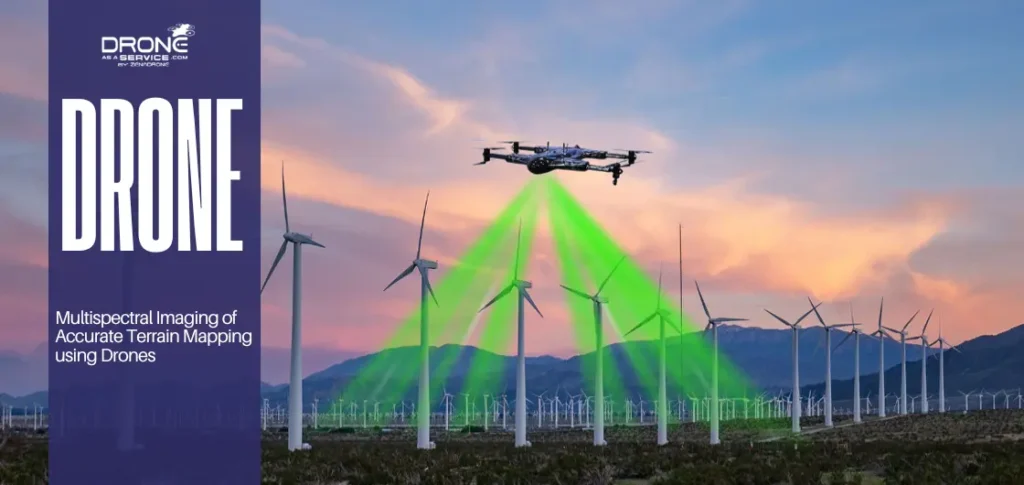
Drones can see thermal changes across large generators and transformers all at once. Then, AI can look at these trends to help plan repairs for the specific parts that need them. This kind of predictive maintenance using drones prevents failures that would cost a lot of money. Thermal checks now fit perfectly into a regular routine for Hydro power infrastructure monitoring.
LiDAR and 3D Mapping
Drones also use LiDAR to create very accurate 3D models. These models are used to measure if the structure has moved or shifted at all. This technology is great for capturing the geometry of the dam during a hydroelectric dam drone inspection. It can also track how the structure deforms over time and 3D mapping the surrounding land to look for landslide risks.
AI drone infrastructure inspection can take this LiDAR data and put it into a digital twin, which is a virtual model of the plant. This makes predictive maintenance using drones even better because engineers can run simulations to see what might happen in the future. Companies providing drone services for energy sector clients rely on this accuracy to stay in compliance with the law.
Key Hydroelectric Components Monitored by Drones
A complete program for drone monitoring for hydroelectric infrastructure looks at all the most important parts of the facility. This includes the dam walls, where the drones look for cracks, leaks, or erosion. They also check the spillways and gates for corrosion and to make sure everything is aligned properly.
Using thermal drone inspection for turbines is essential for checking the generators for overheating or any kind of imbalance. Drones can even look at the reservoirs to see if too much sediment or debris is building up.
Finally, they scan the surrounding slopes to make sure there is no risk of a landslide. Using AI drone infrastructure inspection makes this monitoring much more accurate. When predictive maintenance using drones is used, repairs happen on time, and there is much less downtime for the plant.
Benefits of Drone Monitoring for Hydro power Facilities
The most important benefit of drone monitoring for hydroelectric infrastructure is that it keeps people safe. But there are many other good reasons to use them. Inspections are much faster, turning days of work into just a few hours.
The documentation is always consistent because the drones follow the same flight paths every time. AI drone infrastructure inspection helps find defects very early, and thermal checks can prevent a turbine from failing unexpectedly. Using predictive maintenance with drones saves a lot of money on repairs.
Remote infrastructure drone monitoring also allows for continuous oversight, and drone services for energy sector providers give managers the data they need to plan for the future.
AI and Data Analytics in Drone-Based Monitoring
The power of AI drone infrastructure inspection is that it turns raw pictures into useful information. It is very good at finding cracks, rust, and other small problems. It can create organized reports from huge amounts of data and provide dashboards that show how the plant is performing.
Using predictive maintenance with drones helps managers predict how long a part will last before it needs to be replaced. It also allows for the integration of thermal drone inspection for turbines with machine learning for even better results. All of this information is kept in a secure cloud for remote infrastructure drone monitoring. People who work in drone services for energy sector jobs are always finding ways to improve these automated systems.
Drone Monitoring vs Traditional Methods
Manual inspections are very hard because they require people to climb on scaffolding or use ropes, which is always dangerous. Drone monitoring for hydroelectric infrastructure is much safer because it requires fewer people to be on the site. This makes Hydro power infrastructure monitoring something that can be done more often.
A hydroelectric dam drone inspection captures digital evidence automatically, while remote infrastructure drone monitoring takes much less time to set up. Thermal checks can even be done while the plant is working. In the end, predictive maintenance using drones provides clear and measurable results.
Using drone services for energy sector providers also lowers the liability for the company. AI drone infrastructure inspection ensures that every part of the plant is checked using the same high standards.
Regulatory and Operational Considerations
Any program for Hydro power infrastructure monitoring must follow the rules set by aviation authorities. This means using certified pilots to fly the drones safely. There are other rules to follow, like staying out of restricted airspace when doing remote infrastructure drone monitoring.
It is also important to keep the data from AI drone infrastructure inspection secure. If a team is doing a thermal drone inspection for turbines, they must coordinate with the people running the plant to make sure it is okay to fly. Keeping accurate records is also a big part of predictive maintenance using drones. Professional companies that offer drone services for the energy sector always make sure they are following all these regulations.
Implementing a Drone Monitoring Program
If a company wants to start using drone monitoring for hydroelectric infrastructure, it needs a good plan. This starts with a risk assessment to find any hazards before the drone even takes off. Then they must choose the right drones that can handle the wind and carry the best sensors. They also need to use good software for AI drone infrastructure inspection.
It is important to set up a regular schedule for remote infrastructure drone monitoring so that nothing is missed. Many companies find it best to partner with certified drone services for energy sector providers to make sure the job is done right. This strategy ensures that every inspection is safe, efficient, and consistent.
The Future of Drone Monitoring in Hydro power
In the future, drones will become even more autonomous. We will see AI drone infrastructure inspection get even better at predicting when things will break. A thermal drone inspection for turbines might one day be linked directly to the power grid. There may even be hybrid drones that can fly in the air and then swim underwater to check the parts of the dam that are submerged.
New batteries will help drones fly for much longer periods of time. All of the data from a hydroelectric dam drone inspection will help create a fully digital way to manage these assets. The experts in drone services for the energy sector will continue to find new ways to make Hydro power safer and more reliable.
Conclusion
Using drone monitoring for hydroelectric infrastructure is a complete transformation in how we look after these massive structures. The industry now relies on the precise and repeatable data that drones provide.
A modern hydroelectric dam drone inspection uses a mix of visual, thermal, and LiDAR technology to get the best results. AI drone infrastructure inspection is much better at finding defects than a human eye, and a thermal drone inspection for turbines protects the most expensive parts of the plant. Using predictive maintenance using drones keeps costs down, while remote infrastructure drone monitoring ensures that the plant stays reliable for a long time.