TL;DR
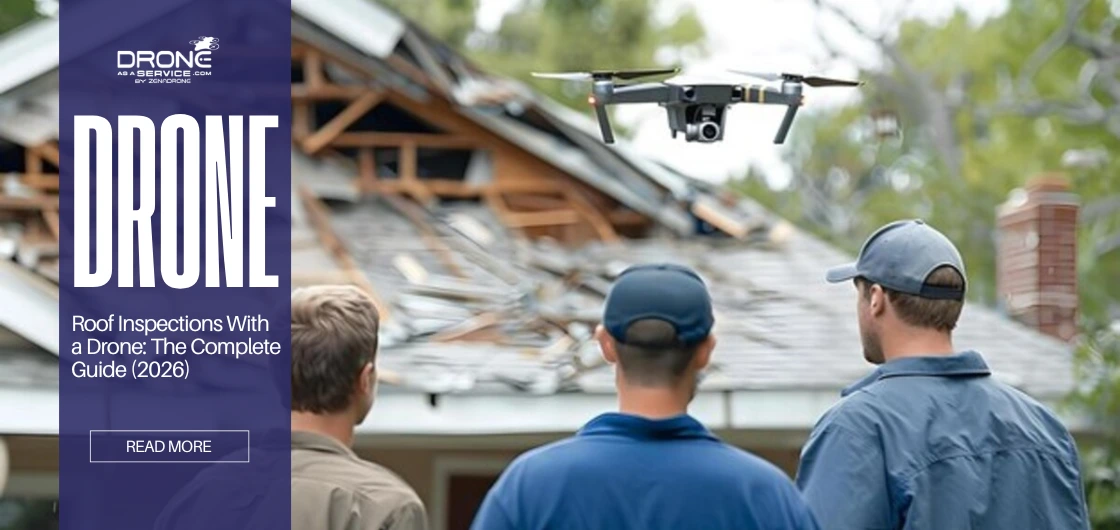
Drone roof inspections allow contractors and inspectors to check roof conditions without climbing onto the structure itself. Using aerial photos, video, and thermal imaging, drones can help identify issues like leaks, damaged shingles, standing water, storm damage, or areas that may need maintenance.
Because the drone captures everything from above, inspections are often faster and safer than traditional roof checks. This approach is now commonly used by roofing companies, insurance adjusters, property managers, and building owners when assessing damage, planning repairs, or documenting roof conditions after severe weather.
Table of Contents
- What Is Roof Inspection with a Drone?
- Why Drone Roof Inspections Are Growing
- Industries Using Drone Roof Inspections
- Key Benefits of Drone Roof Inspections
- Step-by-Step Drone Roof Inspection Process
- Common Roof Problems Drones Can Detect
- Thermal Roof Inspection Drones
- Best Weather Conditions for Drone Roof Inspections
- Drone Roof Inspection vs Traditional Roof Inspection
- Roof Types Best Suited for Drone Inspections
- Drone Roof Inspection Cost
- Best Drones for Roof Inspections
- Software/ Tools Used for Drone Roof Inspections
- FAA Rules and Drone Inspection Regulations
- What’s Included in a Drone Roof Inspection Report?
- DIY Drone Roof Checks vs Hiring a Professional
- When Drone Inspections Are Not Enough
- The Future of Drone Roof Inspections
- FAQ
- Conclusion
What Is Roof Inspection with a Drone?
A drone roof inspection is simply a way to check a roof without having to physically get up there first.
Instead of climbing ladders and walking across the surface, the inspector flies a drone over the property to capture photos and video. It’s a useful option for roofs that are steep, hard to access, or not safe to walk on for long periods.
Some drones can also pick up heat patterns, which may help show moisture trapped under the roof or spots where damage might be starting.
A lot of roofing companies started using drones because it cuts down the amount of time spent walking around on the roof itself. That can make a difference on older roofs where too much foot traffic can actually cause more wear.
They’re commonly used after storms, for steep roofs, commercial buildings, or just when somebody wants a closer look without sending people up there right away.
Why Drone Roof Inspections Are Growing
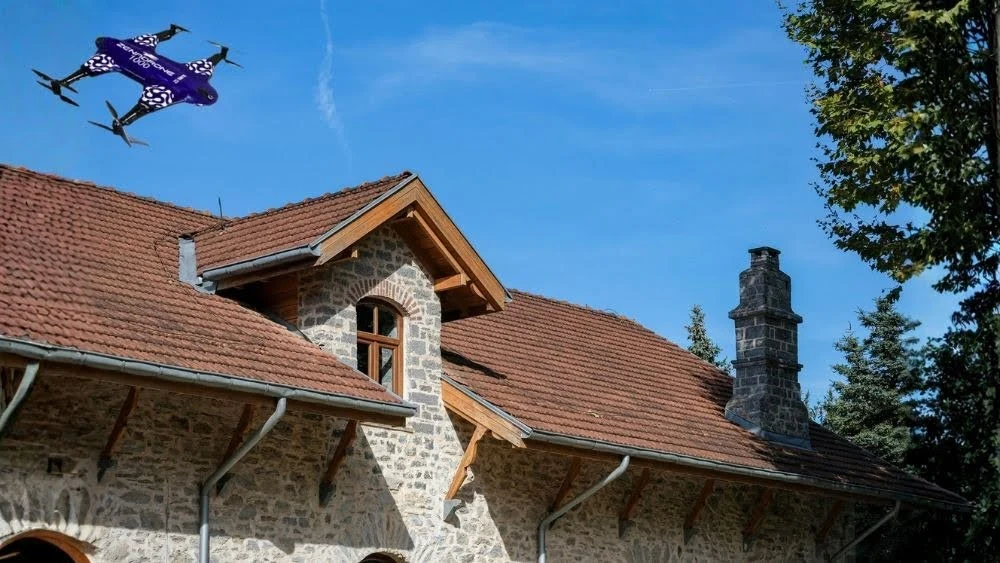
Checking a roof the traditional way usually means climbing ladders, setting up safety equipment, and spending time walking across the roof by hand. On some properties, this can take quite a while and may not always be the safest option. Drones changed that process quite a bit.
Instead of sending someone onto the roof right away, inspectors can fly a drone over the property and get a detailed view in a much shorter time. That’s one of the main reasons drone inspections have become more common over the last few years.
They’re especially useful after storms or hail damage, where roofing companies and insurance adjusters need to document conditions quickly before repairs begin.
For many homes, the whole inspection can be finished fairly quickly while still collecting a large number of photos and close-up views of the roof.
As the technology keeps improving, more companies are starting to rely on drones because they make inspections easier, safer, and more practical for certain types of buildings and roofing situations.
Industries Using Drone Roof Inspections
Drone roof inspections are now widely used across multiple industries.
Residential Roofing: Roofing contractors use drones to identify damage, document repair needs, and perform annual maintenance inspections.
Insurance Claims: Insurance companies increasingly use drone inspections after storms to document hail damage, missing shingles, water intrusion, and roof deterioration safely and efficiently.
Commercial Real Estate: Commercial building operators use drones to inspect large rooftops, HVAC systems, drainage systems, and flat roofing membranes.
Construction Projects: Construction teams use drones to monitor roofing progress, verify installation quality, and document project stages.
Solar Energy: Drone inspections help evaluate roof conditions before solar panel installation and assist with ongoing solar infrastructure maintenance.
Facility Maintenance: Industrial facilities and property management companies use drones for preventive maintenance planning and infrastructure monitoring.
Key Benefits of Drone Roof Inspections
Improved Safety
One of the biggest advantages of drone roof inspections is reducing the need for inspectors to walk on steep, fragile, or storm-damaged roofs.
Keeping inspectors safely on the ground helps minimize fall risks and reduce accidental roof damage from foot traffic.
Faster Inspection Times
Drones can inspect large roof areas much faster than traditional inspections.
Automated flight paths allow inspectors to collect aerial imagery efficiently without spending hours setting up ladders or manually accessing difficult roof sections.
Better Roof Data
In many commercial inspection workflows, aerial imagery allows roofing teams to review damage conditions before sending personnel onto potentially unstable or hazardous roof surfaces.
Modern drones capture highly detailed roof imagery that helps identify:
- Missing shingles
- Flashing damage
- Cracked tiles
- Ponding water
- Drainage issues
- Roof membrane punctures
- Exposed fasteners
- Storm-related damage
Detailed aerial data also helps create long-term maintenance records for future comparisons.
Thermal Leak Detection
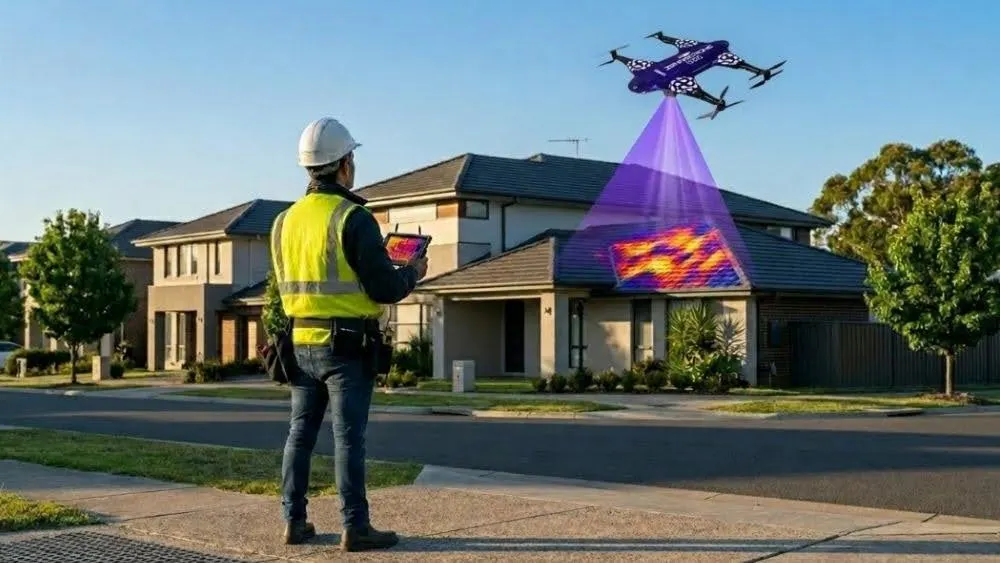
Some drones are fitted with thermal cameras that show small heat differences across the roof.
When one area holds heat differently than the surrounding surface, it can sometimes point to moisture underneath, weak insulation, or a spot where water may be getting in. These problems are not always easy to notice during a normal visual inspection. In some cases, thermal imaging may also point to hidden leaks or insulation issues that are difficult to spot during a standard visual inspection.
This type of inspection is commonly used on large flat roofs because water can sometimes sit underneath the roofing material without being visible from above.
Reduced Roof Damage During Inspections
One thing many property owners like about drone inspections is that there’s less need for people to walk directly across the roof.
On older or more delicate roofs, too much foot traffic can sometimes loosen shingles, crack tiles, or damage weak spots that already exist. Using a drone helps inspectors get a close look while keeping direct contact with the roof to a minimum.
Step-by-Step Drone Roof Inspection Process
Professional drone roof inspections follow a structured workflow to ensure safe and accurate data collection.
Step 1: Pre-Inspection Checklist
Before the flight begins, inspectors typically verify:
- Weather conditions
- Airspace restrictions
- Battery health
- GPS signal strength
- Roof access limitations
- Safety hazards
- Inspection objectives
Professional operators also ensure FAA compliance before flying.
Step 2: Flight Planning
The drone flight path is planned to ensure complete roof coverage.
Inspectors may define automated flight routes based on:
- Roof size
- Roof complexity
- Building height
- Thermal inspection requirements
- Image overlap needs
Step 3: Drone Flight and Image Capture
The drone captures aerial imagery from multiple perspectives, including:
- Roof slopes
- Ridge caps
- Flashing systems
- Gutters and drainage
- Roof penetrations
- HVAC rooftop equipment
- Solar panel areas
Large commercial roofs may require hundreds of overlapping images for mapping and modeling purposes.
Step 4: Thermal Roof Scanning
When thermal imaging is required, infrared cameras capture roof temperature patterns that may indicate hidden moisture or insulation failure.
Thermal inspections are often scheduled during ideal environmental conditions to improve data accuracy.
Step 5: Data Processing and Roof Mapping
Inspection data is processed using specialized software platforms that generate:
- Roof inspection reports
- Orthomosaic roof maps
- Thermal overlays
- Roof measurements
- 3D roof models
- Damage documentation
Step 6: Reporting and Recommendations
The final report typically includes:
- Annotated roof imagery
- Damage findings
- Thermal analysis
- Maintenance recommendations
- Repair documentation
- Measurement data
These reports help property owners and contractors make informed maintenance decisions.
Common Roof Problems Drones Can Detect
A drone can usually give inspectors a much clearer look at the roof without needing someone to walk across every section by hand.
During an inspection, they may notice things such as:
- Shingles that shifted after strong winds
- Cracked or broken tiles
- Hail marks
- Water sitting too long on flat areas
- Loose flashing near vents or chimneys
- Debris stuck in drainage paths
- Small tears in the roofing material
- Spots that look worn out faster than the surrounding area
Sometimes the damage is obvious. Other times it starts as a small issue that barely stands out in regular photos but becomes easier to notice from above.
Common Mistakes During Drone Roof Inspections
Even with good equipment, a drone inspection can still go wrong if the conditions aren’t right or the flight is rushed.
A few common issues inspectors run into are:
- Flying when the wind is too strong, which can affect photo quality
- Missing sections hidden behind rooftop equipment
- Taking thermal images at the wrong time of day
- Using footage that isn’t clear enough to zoom in properly
- Not capturing enough angles of the roof
- Problems caused by glare on reflective roofing surfaces
Flat commercial roofs can be especially tricky because heat and reflections sometimes make certain areas look worse — or better — than they actually are.
That’s why experienced inspectors usually spend time planning the flight beforehand instead of just sending the drone up and hoping for the best.
Thermal Roof Inspection Drones
Thermal roof inspection is now commonly used on larger roofs where leaks or moisture issues are harder to detect during a standard inspection. Instead of only showing what the roof looks like from the outside, thermal cameras can reveal unusual heat patterns that may indicate water trapped beneath the surface or areas where insulation is no longer performing properly.
They’re commonly used on:
- Commercial flat roofs
- Warehouses
- Industrial buildings
- Roofs with solar panels
- Larger residential properties
Buildings being checked after storms or heavy rain
That said, thermal imaging is not always as simple as flying a drone overhead for a few minutes. Weather, sunlight, and reflective roofing materials can all affect the readings if the inspection is done under poor conditions.
Best Weather Conditions for Drone Roof Inspections
Weather honestly makes a noticeable difference when you’re doing drone inspections. If the wind is strong or the conditions aren’t stable, even a good drone can struggle a bit, and the footage won’t come out as clean.
Most inspectors just wait for simple conditions, nothing extreme. Light wind, dry roof, decent visibility… that kind of thing. Also, steady lighting helps more than people think, especially when you’re trying to see small surface issues.
Thermal inspections are a bit more sensitive. Early morning or late evening usually works better because the roof hasn’t heated up evenly yet, so temperature differences actually show up more clearly. Midday heat kind of hides those variations.
Rain or shiny roof surfaces can make things messy too. Not always impossible to fly, but the data usually isn’t as reliable, and sometimes you end up retaking the whole inspection anyway.
Drone Roof Inspection vs Traditional Roof Inspection
Both inspection methods may still be valuable depending on roof conditions and project requirements.
Roof Types Best Suited for Drone Inspections
Drone inspections work on different types of roofs, but what they find can vary depending on the material.
On asphalt shingle roofs, they’re usually checking for missing shingles, worn-out granules, or storm damage.
On flat commercial roofs, thermal scans can sometimes show spots where water is sitting or trapped underneath.
Tile roofs are a big one, since drones help avoid people walking on them and accidentally cracking tiles.
With metal roofs, inspectors often look for things like loose seams, early rust, or fasteners that may be coming undone.
For solar installations, drones are used more for checking layout, surrounding roof condition, and whether anything is affecting drainage.
How Insurance Companies Use Drone Roof Inspections
Insurance companies are using drones a lot more these days, especially after storms, hail, or heavy weather hits an area.
Instead of climbing up on damaged or risky roofs right away, adjusters can just look at the drone images and thermal scans from the ground. It’s quicker, and honestly a lot safer in situations where the roof might not even be stable.
In many cases, drone data supports:
- Documenting storm-related damage
- Checking hail impact on roofing materials
- Processing insurance claims
- Verifying overall roof condition
- Assessing property risk levels
- Supporting post-storm response work
After large weather events, drones also make it easier for insurance teams to cover more properties in less time, especially when damage is widespread across entire neighborhoods or regions.
Drone Roof Inspection Cost
The cost of a drone roof inspection isn’t fixed—it usually depends on a few practical factors tied to the property and the type of work needed.
Things like roof size, layout, and how complicated the structure is can make a big difference. A simple residential roof is usually quicker to inspect, while larger or more complex buildings take more time in the air and more work to process the data afterward.
In general, residential inspections are on the lower end because they don’t require much flight time or heavy data processing.
Commercial jobs are usually a bit more involved because the buildings are bigger and the coverage area is wider. In some cases, the inspection also includes extra steps like thermal checks or mapping, which naturally takes more time in the field and later during review.
Reports can vary quite a lot too. A simple set of photos is quick to put together, but once you start adding things like thermal images, measurements, or 3D-style visuals, there’s more work involved in cleaning up and organizing the data.
At the end of the day, prices can differ from one project to another, but many property owners still go for drone inspections because they make it easier to catch issues early and avoid bigger repair costs down the line.
Best Drones for Roof Inspections
For example, something like the DJI Mavic 3 Thermal is pretty common for general roof checks where you also need heat readings. Bigger setups like the DJI Matrice are usually used on large commercial sites because they handle more advanced mapping and longer missions.
Then you’ve got models like the Autel EVO II Thermal, which people often use for infrastructure work, especially when thermal scanning is involved. And Skydio drones are kind of known for flying themselves in tighter or more complex areas without much manual control.
There isn’t really one “best” drone for roof inspections. It usually just depends on the roof, the size of the site, and what kind of detail the inspector is trying to get out of it.
Software/ Tools Used for Drone Roof Inspections
Professional drone inspections often rely on specialized software platforms for analysis and reporting.
Common software tools include:
- ZenaDrone 1000
- DroneDeploy
- Pix4D
- DJI Terra
- Roof measurement software
- Thermal analysis platforms
- Photogrammetry processing tools
These platforms help generate:
- Roof measurements
- Orthomosaic maps
- 3D models
- Thermal overlays
- Annotated reports
FAA Rules and Drone Inspection Regulations
In the U.S., commercial drone work is basically tied to FAA rules, so inspections don’t just fly freely; there are limits in place.
Most of the time, pilots are expected to keep the drone within visual line of sight. They also have to stay away from restricted or controlled airspace and follow whatever local flight restrictions apply in that area. Nothing unusual there, but it does matter in practice.
If someone is doing this commercially, they’re usually required to have an FAA Remote Pilot Certificate. Without that, they can’t legally carry out paid inspection work.
On bigger jobs, companies don’t just rely on flying the drone. They usually plan flights in advance using software, and later organize the data into reports. It helps when you’re dealing with a lot of photos and need everything documented properly instead of just raw footage sitting in folders.
What’s Included in a Drone Roof Inspection Report?
A professional drone roof inspection report may include:
- High-resolution roof imagery
- Thermal scan results
- Damage annotations
- Roof measurements
- Maintenance recommendations
- Repair documentation
- 3D roof models
- Inspection summaries
These reports support maintenance planning, insurance claims, and roofing repair decisions.
DIY Drone Roof Checks vs Hiring a Professional
Since drones have become cheaper and easier to buy, a lot of homeowners have started using them to get a quick look at their roofs after storms or heavy weather.
For basic checks, that can sometimes be enough to spot things like missing shingles, fallen branches, or visible damage from above.
But a professional inspection usually goes quite a bit further than simply flying a drone over the house.
Experienced drone inspectors know what areas tend to hide problems and how to capture images that are actually useful for evaluation or insurance documentation. Some also use thermal cameras, roof measurement tools, and software that helps organize the inspection results in more detail.
That becomes more important on large commercial buildings, steep roofs, or properties where damage is not immediately obvious from regular photos alone.
For a lot of homeowners, a personal drone is mostly useful for getting a quick look at the roof after a storm or spotting anything obvious from above.
Professional inspections are usually a different story. They’re often used when someone needs a closer evaluation, detailed reports, or documentation that can be shared with insurance companies or repair crews.
When Drone Inspections Are Not Enough
Although drone inspections provide major advantages, some situations may still require physical roof access.
Manual inspections may still be necessary when:
- Structural decking damage is suspected
- Interior leak tracing is required
- Severe storm damage exists
- Roofing materials require hands-on evaluation
- Repairs need close-contact verification
Drone inspections work best when combined with professional roofing expertise.
The Future of Drone Roof Inspections
Drone technology continues to improve the inspection, documentation, and maintenance of roofs.
Modern inspection workflows increasingly combine:
- AI-assisted image analysis
- Thermal imaging
- 3D roof modeling
- Predictive maintenance systems
- Cloud-based reporting platforms
As UAV technology advances further, drone roof inspections are expected to become even more valuable for roofing contractors, insurance companies, property managers, and infrastructure maintenance teams.
Conclusion
Drone roof inspections are becoming more common because they make the whole process quicker, safer, and easier to understand for both small homes and larger buildings.
Instead of always sending someone up onto the roof, drones can now do most of the initial checking from the air. They take photos and heat readings from above, so inspectors can spot possible issues without actually having to go up on the roof or walk across it.
More and more industries are picking up this approach as it becomes more reliable. Roofing crews, insurance teams, construction workers, and maintenance staff are slowly shifting toward drone-based inspections because they’re quicker to carry out and give a fuller picture of what’s actually going on up there.
For a detailed assessment of your roof condition, you can get in touch with a professional drone roof inspection service.