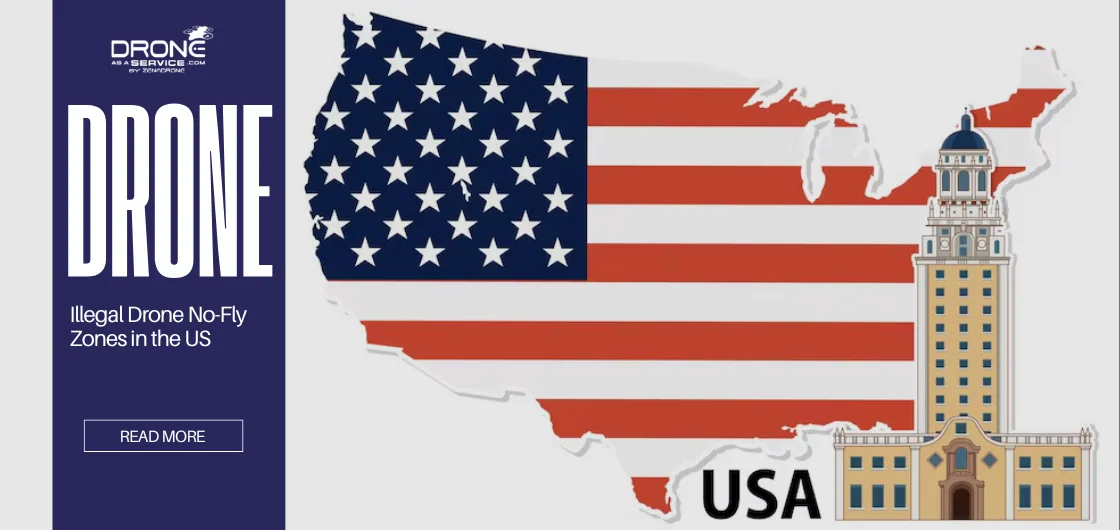
10 Illegal Drone No-Fly Zones in the United States You Must Know
As drone use grows across photography, mapping, inspections, and security, the United States faces increasing concerns around safety, privacy, and national security. To operate responsibly, every pilot must understand which areas are legally off-limits and why certain regions are designated as restricted airspace.
The Federal Aviation Administration (FAA) enforces strict airspace rules to protect people, property, and critical infrastructure. Violating these regulations—such as entering prohibited airspace or ignoring Part 107 requirements—can lead to fines, drone confiscation, or even federal penalties. Restrictions also vary by local, state, and federal law, making it essential for pilots to stay informed before each flight.
This guide breaks down the key categories of U.S. no-fly zones, explains why these areas remain restricted, and highlights 10 critical locations where drone flights are illegal. By understanding these rules, drone pilots can plan safer missions, reduce legal risks, and fly in full compliance with U.S. airspace regulations.
What Are Illegal Drone No-Fly Zones in the United States?
A No-Fly Zone (NFZ) is an area where drones cannot operate without approval. These zones exist to protect civilians, infrastructure, and government operations. Some NFZs ban flights completely, while others require authorization through LAANC or special FAA approvals.
Several airspace types affect drone flight:
- “Restricted airspace” includes areas where certain activities occur, such as military testing and training exercises involving defense and surveillance drones.
- “Prohibited airspace” bans all drone flights.
- “Controlled airspace” surrounds airports and busy traffic zones.
- “Special use airspace” supports national defense, scientific research, and security missions.
Understanding these categories helps pilots avoid illegal places to fly a drone in America.
FAA Part 107 governs commercial pilots. Recreational pilots must complete the TRUST test. Both groups must follow safety rules and local regulations. Tools like B4UFLY and LAANC help pilots check FAA drone no fly rules in real time, and understanding geofencing rules for drones also helps prevent unauthorized flights.
A flight becomes illegal when the pilot flies in a restricted area without proper authorization. Other locations allow flights only when pilots follow airspace rules, altitude limits, and approval systems.
Why Certain Areas Are Completely Off-Limits
There are certain airspace zones that will be temporarily closed as a result of permanent restrictions for the protection of public safety and national security; they also include sensitive operational areas.
There may be members of the U.S. Military, or other classified activities (e.g., a classified mission), in addition to many types of important U.S. Infrastructure. There are also the governmental and defense-related facilities and communications hubs within this area.
The operation of an unmanned aircraft system (UAS) by unauthorized operators within these zones would be detrimental to national security; it could impact the successful execution of vital functions and/or create substantial liability and personal risk for the pilot.
Other restricted areas exist to safeguard communities, emergency responders, and natural habitats. Firefighting operations, medical evacuation flights, and disaster relief missions require clear airspace to function safely and efficiently.
Even temporary intrusions can delay critical services, endanger lives, and obstruct emergency response efforts.
Additionally, restrictions on national parks and other protected areas for environmental protection are also important. These limits help protect fragile ecosystems, prevent wildlife stress or displacement, and apply to sensitive use cases such as drone operations at archaeological sites, where preservation is critical.
Finally, by understanding United States Drone Restricted Areas will allow drone operators to have better knowledge of the restrictions on their drones to help them fly responsibly, to minimize their exposure to potential legal issues and to promote the goals of safe and ethical Unmanned Aerial Vehicle (UAV) flight throughout the country.
The 10 Most Illegal Drone No-Fly Zones in the United States
1. Washington, D.C. – Special Flight Rules Area (SFRA)
Location: Washington, D.C.
Washington, D.C. remains the most heavily protected airspace in the country. A strict 30-mile security perimeter surrounds the capital. The FAA, Secret Service, and Department of Defense manage this protected zone. Here, unauthorized flights can trigger rapid enforcement action. This protects vital landmarks like the White House and the Pentagon.
2. Camp David – Prohibited Area P-40
Location: Maryland Camp
David is a permanently restricted zone. This location serves as a secure presidential retreat. Airspace restrictions tighten whenever the President visits. Unauthorized drone flights may lead to federal investigations and serious penalties.
3. Nellis Air Force Base – Restricted Area R-4808N
Location: Nevada
Nellis Air Force Base supports classified missions and weapons testing. This airspace represents one of the strongest national security zones in the country. Unauthorized drones are treated as potential threats. Pilots face severe penalties for entering this sensitive area.
4. Los Angeles International Airport – Class B Airspace
Location: California
Airports create major drone no fly zones because of their busy flight corridors. The airspace around LAX forms controlled Class B airspace. Drone flights here are illegal without LAANC authorization. These protections help prevent dangerous interference with aircraft during takeoff and landing.
5. Yellowstone National Park – NPS Drone Ban
Location: Wyoming / Montana / Idaho
More than 400 National Parks enforce a nationwide drone ban. Yellowstone receives the most attention due to its wildlife activity. Drones disturb animals and visitor experiences. Flying here may lead to fines and confiscation of equipment.
6. Nuclear Power Plants – NRC Protected Facilities
Location: Nationwide
Nuclear power plants are critical infrastructure protected by federal security rules. Flying near these sites is illegal. Areas like the Palo Verde plant in Arizona have strict airspace controls, and violations often trigger federal security responses.
7. U.S. Military Bases Nationwide
Location: National
U.S. military bases are strictly off-limits for drone pilots. This applies to major locations like Fort Liberty and Air Force bases nationwide. These bans protect sensitive national defense operations. Please take this seriously to avoid immediate detention or criminal charges.
8. Stadiums During Sporting Events – FAA TFR “Stadium Rule”
Location: NFL, MLB, NCAA Stadiums
Temporary Flight Restrictions (TFRs) also occur when large sporting events take place. TFRs exist for NFL, MLB, and NCAA Division I games. The Federal Aviation Administration prohibits all aircraft from entering a TFR for one hour prior to an event and for one hour following an event. Thus, pilots will be required to stay out of TFRs while they are in effect.
9. Wildfire Areas – FAA Emergency TFRs
Location: Western States and Active Fire Zones
Wildfire zones represent dangerous locations for drone operations. Unauthorized flights block firefighting operations and put lives at risk. The FAA’s wildfire slogan states, “If you fly, we can’t fly.” Fire zones remain protected until operations end.
10. New York City – Citywide Drone Prohibition
Location: New York City
New York City enforces a near-total drone ban. Operators may launch only from designated sites. Unauthorized flights may result in immediate police response. These local rules support federal protections and prevent unsafe activity.
Additional Examples of Illegal or Restricted Areas
Several cities enforce local drone ordinances. Many prisons prohibit aerial operations to prevent contraband delivery. Border areas restrict drones near federal security zones. Some states enforce their own protected zones that expand illegal drone no fly zones in the United States.
How to Check if a Location Is Legal to Fly
Pilots must verify airspace before every flight. The FAA B4UFLY app shows you real-time restrictions clearly. For controlled airspace, use Aloft to get instant LAANC authorization. AirMap is also helpful as it supplies detailed sectional charts.
You must also take time to understand color codes and warning labels. NOTAMs and TFRs appear often, so monitor them constantly. A careful review helps you avoid violating strict FAA drone no fly rules.
Penalties for Flying in Illegal No-Fly Zones
Drones are subject to penalties if you operate a drone in an illegal no-fly zone. Fines can be civil in nature, but the amount can be in excess of thousands of dollars.
If there is a threat to national security, criminal action may be taken against the pilot; if the flight poses an immediate threat to emergency services, criminal sanctions may also apply. The FAA reserves the right to confiscate your drone if you have violated Federal regulations regarding drone use.
There have been previous incidents where pilots have received large fines for violating airspace near airports, flying into areas where wildfires were being fought, and for conducting unsafe flight operations. Breaking U.S. drone laws, and regulations, comes with severe legal ramifications.
Legal Alternatives to Flying in Restricted Areas
You can still operate safely by using legal options. For example, LAANC authorization permits flights in controlled airspace. Part 107 waivers also open doors for complex operations. Occasionally, the National Park Service reviews specific filming requests.
You might even get permission from city governments or private landowners. These alternatives keep you away from illegal places to fly a drone in America. You can stay compliant and still produce high-quality work.
Flying Smarter: Staying Safe and Compliant in the Skies
Safe drone operation depends on careful awareness, thoughtful planning, and strict adherence to US drone laws and restrictions.
Understanding the ten categories of restricted airspace helps pilots avoid potential risks to national security, wildlife, and local communities. In addition, by reviewing apps, sectional charts, and the latest updates, operators can confidently stay clear of United States drone restricted areas and prevent violations.
Knowing and respecting areas where drones cannot be flown legally within the United States (illegal drone no fly zones), knowing where drones are prohibited to fly in the U.S., and being compliant with drone no-fly zones in the USA ensure that all flights conducted by a drone pilot will be legal, responsible and safe for everyone involved.
Furthermore, complying with the FAA’s drone no-fly zone policies protects the drone pilot, private property owners and public safety while preserving wildlife habitats and supporting the advancement of commercial and/or professional drone usage throughout the nation.
With knowledge, preparation, and compliance, pilots can enjoy the freedom of flight while navigating airspace safely, legally, and responsibly.