What Is Roof Inspection with a Drone?
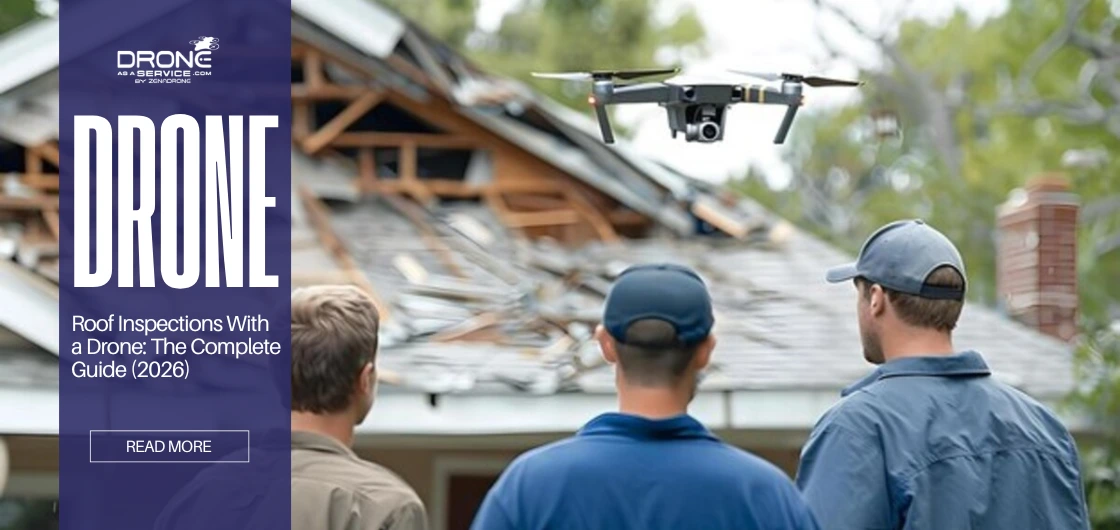
This is the process of using a small unmanned aircraft equipped with high-resolution cameras and advanced sensors to capture detailed images of a roof. Instead of climbing ladders or walking on potentially unsafe surfaces, inspectors operate the drone from the ground.
This method allows homeowners and business operators to collect accurate roof data quickly and safely. The drone captures aerial images, close-up visuals, and sometimes thermal scans to help identify damage, leaks, missing shingles, or structural concerns.
In simple terms, roof inspection with a drone is a faster, lower-risk, and more efficient way to assess a roof’s condition from the air without direct physical access.
Key Benefits of Drone Inspections
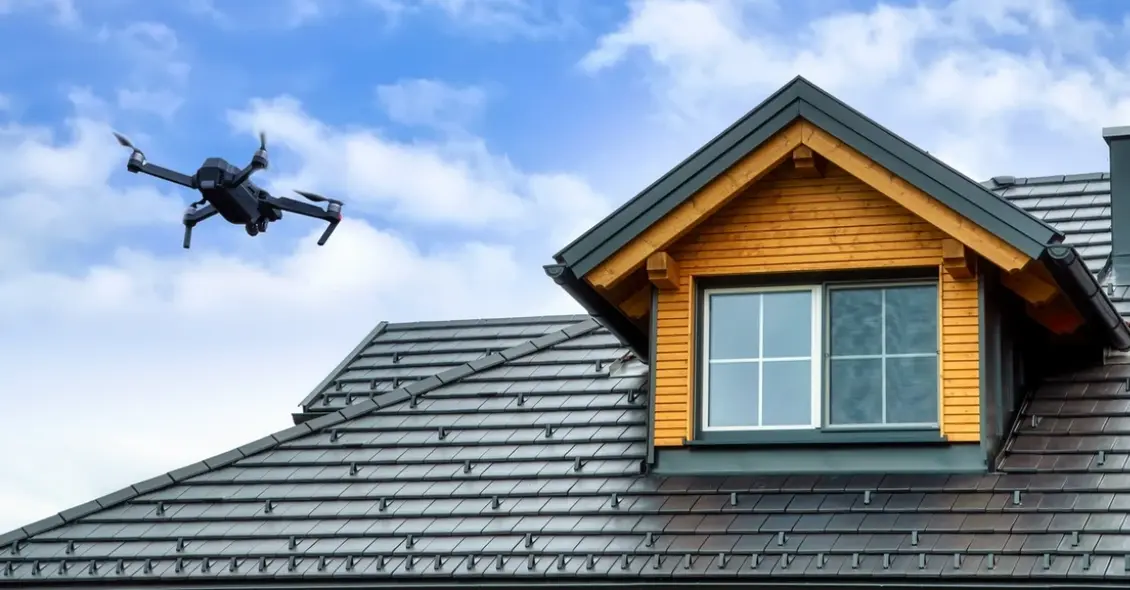
Using a drone turns a traditionally dangerous, half-day job into a quick, data-rich process. The following is the reason why they are becoming the industry standard:
- Faster Inspections
Drones can cover a large roof in minutes, eliminating the time-consuming setup of ladders, scaffolding, or safety harnesses.
- Safer for Personnel
By keeping inspectors’ feet firmly on the ground, drones eliminate the risk of falls and injuries from steep ladders or unstable roofing materials.
- Detailed Aerial Imagery
High-definition cameras provide a bird’s-eye view that is difficult to get from a ladder, offering high-definition photos for insurance claims, maintenance planning, and historical records.
- Early Problem Detection
Drones can easily spot small issues, such as a single cracked tile or a clogged gutter, before they become expensive structural repairs.
How Roof Inspections with a Drone Work
For a 2,500 sq. ft. residential roof, a drone survey can take 15–20 minutes, compared to several hours with a manual inspection. This simplified system minimizes safety risks and delivers accurate results more quickly. Here’s the step-by-step drone inspection process:
Pre-inspection planning
The inspector reviews the roof plan and identifies priority areas, such as seams, drains, and other penetrations. This is also where flight parameters are determined, depending on the inspection objectives.
Drone usage and route
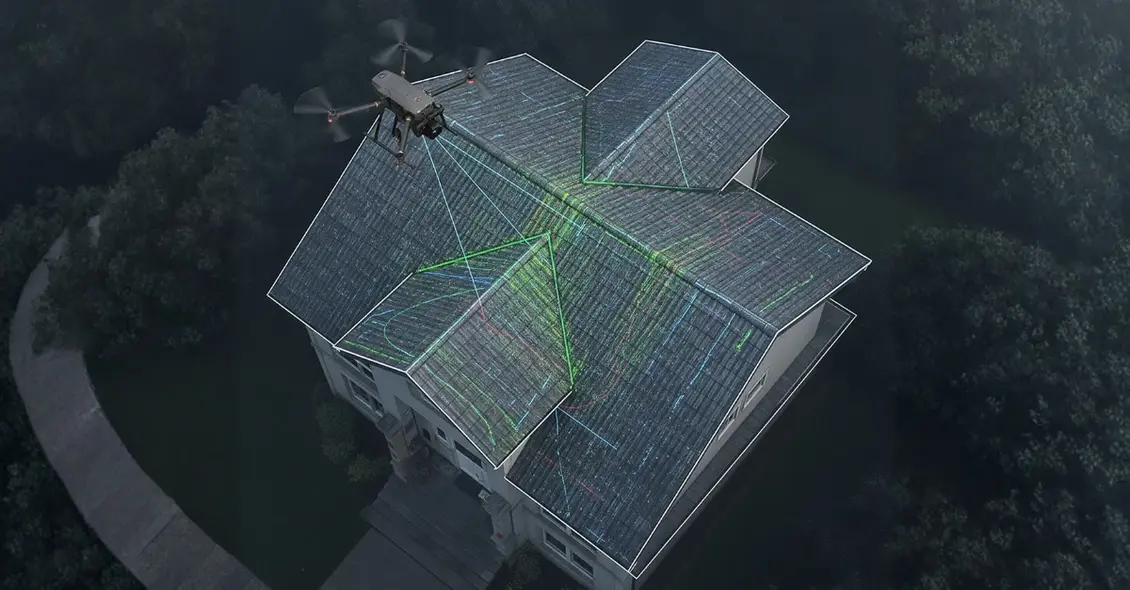
The drone is launched and flown along a designated route to ensure full coverage of the roof, including slopes, edges, and hard-to-reach sections.
Recording high-resolution images and thermal images
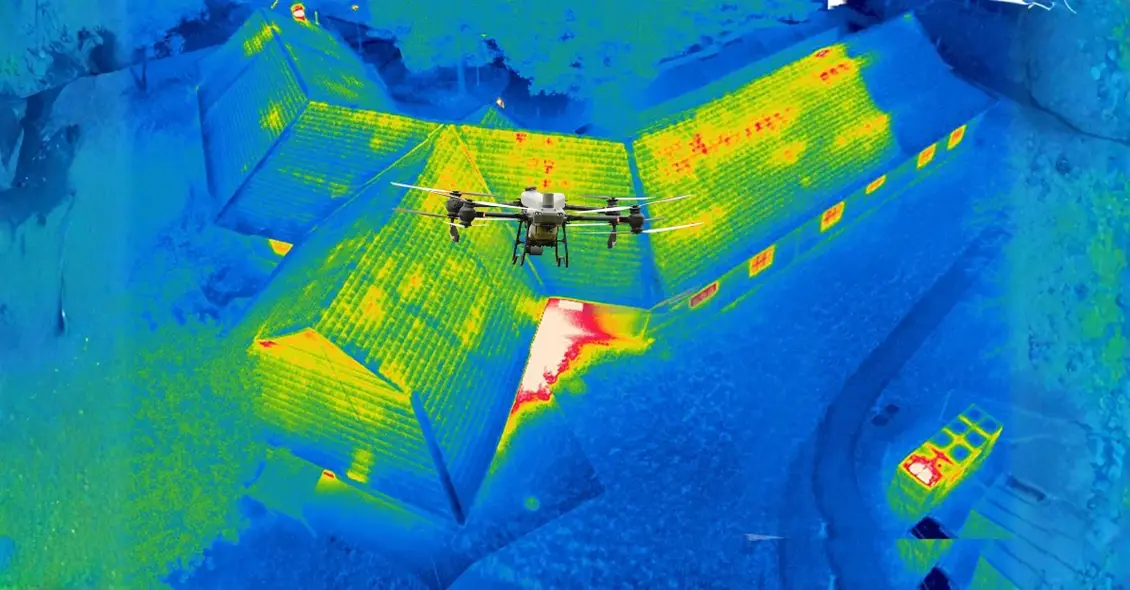
Visual cameras capture detailed images of the surface, whereas a thermal sensor is more like “heat vision,” detecting temperature changes that reveal hidden issues like trapped water or thinning insulation invisible to the naked eye.
Processing and mapping of data in 3D
The data obtained is analyzed with the help of special software in order to produce correct measurements, roof models, and 3D maps to analyze them further.
Reporting & recommendations
The final report will include clear images, recorded results, and recommendations for implementing informed maintenance and repair of minor defects.
Advanced Techniques in Aerial Roof Inspections
Modern drone-based roof inspections make checking for roof defects more efficient. They use advanced imaging and mapping technologies to provide more accurate, in-depth information. These methods enable the detection of problems at the initial stage and their accurate evaluation without having to step on the roof.
Thermal Roof Inspection Drone
A drone thermal roof inspection uses infrared imaging to detect temperature differences across the roof surface. This helps detect heat loss, trapped moisture, and water leaks that the naked eye cannot detect.
Multi-Angle Surveys and 3D Mapping
Through aerial roof inspections and drone roof survey techniques, drones capture roofs from various angles and process the images into accurate 3D models. These models assist contractors in accurately computing roof dimensions, determining damage, and estimating repair costs.
This aids homeowners and building managers in making sound judgments more quickly, reducing uncertainty, inspection time, and the overall cost of a drone roof inspection.
Local Roof Inspections by Drone
For property owners seeking a safer, faster alternative, roof inspection Orlando FL services are adopting drones to estimate residential and commercial roofs with minimal disturbance. These local drone inspections provide detailed visuals and accurate data without requiring inspectors to physically walk on the roof.
Safety & Legal Guidelines
Drone roof inspections should be conducted in accordance with aviation and local safety regulations to ensure the safety of people and property. The operators must not fly beyond 400 feet; they must be able to see the runway and avoid restricted or controlled airspace near airports or sensitive areas.
In the United States, commercial drone operations are regulated by the Federal Aviation Administration under Part 107 of the Remote Pilot Certificate rules. These regulations define operational limits, including maximum altitude, airspace restrictions, and certification requirements for pilots performing aerial roof inspections.
Guidelines to Homeowners and Businesses
- Confirm the drone operator is properly licensed and insured
- Ask what data you’ll receive (photos, thermal images, reports)
- Schedule inspections after storms or before major repairs
- Use drone reports to plan maintenance and budget repairs accurately
Drones as a means of inspecting roofs provide a viable solution for local businesses and homeowners to remain proactive in checking their roofs and minimize the risk of injury and the time required to inspect them.
Improving with the drone roof Inspections
Drones’ roof inspections are easy to start and do not require significant preparation, provided you select appropriate providers and understand the process.
Choosing the best Drone for roof inspection
Identify a qualified drone inspection firm with a background in roof inspections, licensed, and has insurance coverage. The professional provider must possess high-quality imaging equipment, adhere to safety protocols, and provide readable, practical reports.
Getting the Roof and Property ready to be Inspected
Before the inspection, clear all obstructions from the property and ensure the inspector can access the site. Inform the operator of any issues on the roof or recent repairs to ensure the operator targets the areas of concern.
Questions to Ask Before Hiring
- Do you have an FAA certificate and insurance coverage?
- What type of images or data will I obtain (visual, thermal, 3D models)?
- How long would the inspection and report take?
- Can you explain your findings and recommendations?
By following these steps, homeowners and businesspeople can realize the benefits of a drone-based roof inspection and ensure results are safe, accurate, and reliable.
Drone Roof Inspection Cost
The cost of a drone roof inspection can vary depending on several factors, but it is often more affordable than traditional manual inspections when time, safety, and accuracy are considered.
Factors that have an influence on the prices of drones
Size and complexity of the roof: The larger or more multi-level roofs take longer to fly and to handle data.
Type of inspection
Basic visual inspection is cheaper than a survey with thermal imaging or 3D modeling.
Location
Local regulations, travel distance, and regional demand can influence pricing.
Reporting needs
Detailed reports, measurements, and repair estimates may add to the overall cost.
DIY vs Hiring a Drone Inspection
Although DIY inspections can appear less expensive initially, they require a competent drone pilot familiar with the flight regulations and able to interpret the data properly. Given the advantage of avoiding missed problems and improper evaluations, hiring a professional drone inspection company is the most appropriate measure to ensure licensed operation, accurate analysis, and credible reports, which often saves money.
Need Professional Drone Roof Inspection Support?
Trained operators can perform drone inspections, but many homeowners and facility managers prefer hiring experienced professionals who specialize in aerial infrastructure assessments.
Professional teams combine high-resolution imaging, thermal sensors, and advanced flight planning to capture accurate roof condition data and produce actionable inspection reports.
If you’re exploring modern aerial inspection solutions for property maintenance, you can learn more about Drone as a Service (DaaS) and how enterprise UAV services support infrastructure inspections, data collection, and predictive maintenance.
Using specialized UAV inspection workflows helps property owners detect problems earlier, reduce inspection risks, and make better long-term maintenance decisions.
Conclusion
Drone roof inspections have redefined how roofs are assessed, making the process faster, safer, and far more accurate than traditional methods. High-resolution images and thermal searches are just the beginning of drone technology to uncover problems at the initial phase of development, minimize safety risks, and enhance maintenance planning without walking on the roof.
While the drone roof inspection cost varies based on roof size, inspection type, and reporting needs, in most cases, professional services are more valuable because they help avoid misdiagnosing issues and making expensive investments. Together with the application of the latest drone to inspect the roof, this new strategy will enable homeowners and business property managers to make accurate decisions and keep their investments safe, and keep their roofs intact.
Frequently Ask Questions
What are the benefits of roof inspections by drones?
Drones roof inspections are more precise, safer, and faster than manual inspections, as it offers a detailed aerial view of the roof without having to involve an inspector to climb on the roof.
Is drone roof inspection secure?
Drone roof inspections are extremely safe because inspectors stay on the ground, reducing the risk of falling, getting injured, or damaging roofing materials.
Will the drones be able to survey all types of roofs?
Yes, drone roof inspections are very safe because inspectors remain on the ground, reducing the risk of falls, injuries, and damage to roofing materials.
What is the time spent on a drone roof inspection?
A drone surveyor typically completes a roof inspection in 15–30 minutes, depending on the roof’s size, its complexity, and whether thermal or 3D imaging is included.
Do leaks show up in the thermal roof inspection done by drone?
Yes, drone thermal roof check is able to detect the temperature disparities that can signal the presence of moisture trapped, insulation, as well as possible leaks that are not noticeable on the surface.
Is it possible to conduct a roof inspection myself or get a drone inspection company?
While DIY inspections are possible, hiring a licensed drone inspection company ensures FAA compliance, professional analysis, and accurate reporting.
What is the price of a drone roof inspection?
The price of drone roof inspection depends on the size of the roof, the nature of inspection and the definition of reporting, however, in most cases, it is cheaper than conventional inspection when one looks at the aspect of safety and accuracy.