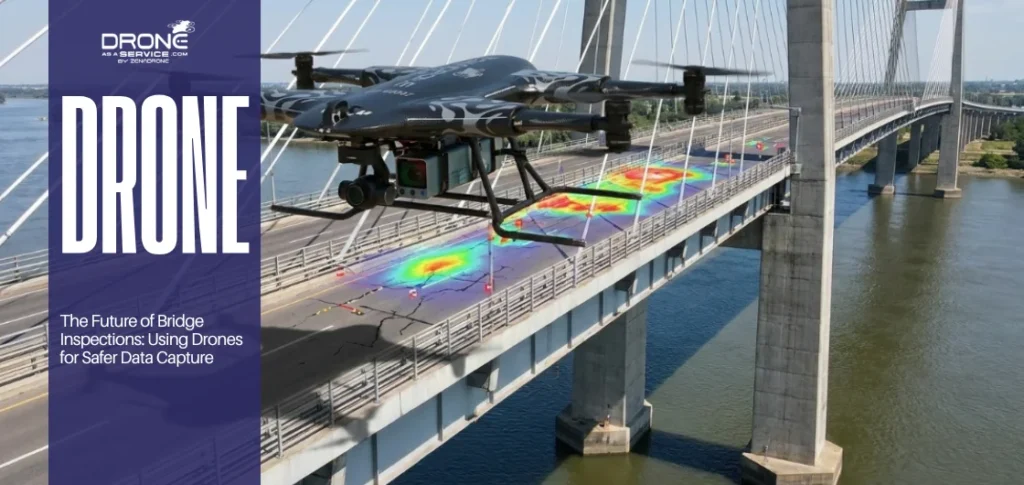
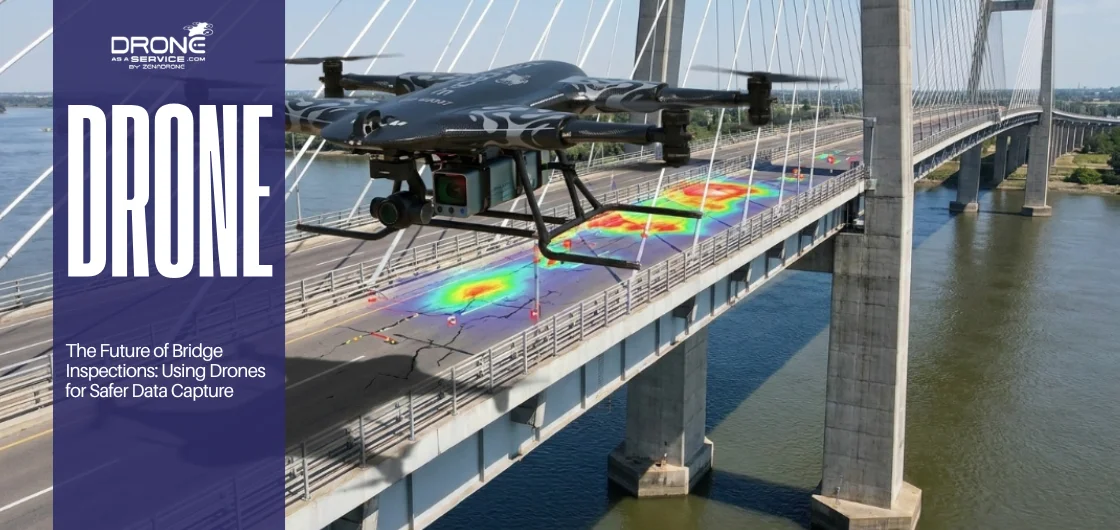
Traditional bridge inspections put workers at serious risk, cost agencies heavily, and still missed hidden defects. Drone technology solves all three problems at once.
Equipped with thermal imaging, LiDAR, and high-resolution cameras, inspection drones capture better structural data faster, without closing lanes or endangering crews. One agency cut inspection time by 65%. Another finished a three-night highway job in a single shift. The data these drones collect, including 3D models and digital twins, helps engineers catch problems months before they become emergencies.
This is no longer experimental technology. It is quickly becoming the smartest operational decision any infrastructure agency can make.
The Future of Bridge Inspections
Bridge inspections have long been one of the most perilous, costly, and time-consuming tasks in infrastructure management. For decades, engineers relied on scaffolding, rope-access teams, snooper trucks, and lane closures, exposing workers to significant risks while disrupting traffic for hours or even days.
Currently, a transformative shift is underway with drone bridge inspection technology. This innovation allows infrastructure teams to capture safer, faster, and more accurate data without halting entire transport corridors. By deploying high-resolution visual systems, LiDAR workflows, and thermal inspection platforms, we can intelligently solve problems in real-time.
Companies offering Drone Services Ireland are helping transform bridge inspections through advanced aerial technology that improves safety, efficiency, and data accuracy. Traditional bridge inspections often require manual access methods that can increase risk and take significant time to complete. As bridge infrastructure continues to age worldwide, drone-based inspection strategies can help identify structural issues earlier, enabling teams to detect defects with greater precision and address potential problems before they become more serious.
This innovative approach not only reduces costs but also enhances safety, paving the way for predictive maintenance on a grand scale. The future of bridge maintenance transcends mere repair; it is about foresight, efficiency, and safeguarding the vital structures that connect our communities.
Why Traditional Bridge Inspections Are Becoming Unsustainable
Traditional bridge inspections were designed around physical access. Inspectors climbed structures, suspended themselves from ropes, used cherry pickers, or deployed under-bridge inspection vehicles to reach critical structural components. While these methods have served the industry for years, they carry major operational limitations that demand creative problem-solving.
The most serious challenge in traditional workflows is the direct exposure of human workers to dangerous environments. Inspectors frequently work over open water, above live traffic, at extreme heights, inside confined structural spaces, and during harsh weather conditions.
Even highly trained crews face risks from slips, falling debris, equipment failure, and traffic incidents. These hazards increase significantly on aging bridges where corrosion and structural instability already exist.
Lane closures represent another major barrier. A large highway bridge inspection may require partial lane shutdowns, night operations, detour planning, police coordination, and the deployment of specialized lifting equipment.
For municipalities and transport agencies, these disruptions can cost thousands or even millions in lost productivity, congestion, fuel waste, and overtime expenses. A multi-day closure on a busy transport corridor creates ripple effects across logistics networks and local economies.
Traditional inspections also suffer from inconsistent data quality. Manual observations depend heavily on inspector visibility and accessibility. Small cracks, delamination, moisture intrusion, or under-deck defects may remain undetected until serious structural problems develop.
Many inspection reports still rely on static photographs, handwritten notes, limited measurement points, and subjective visual assessments. This approach makes historical comparison and predictive maintenance planning difficult and unreliable.
These combined traditional challenges are precisely what makes problem-solving through drone inspection technology particularly advantageous for agencies worldwide.
What Drone Bridge Inspections Look Like Today
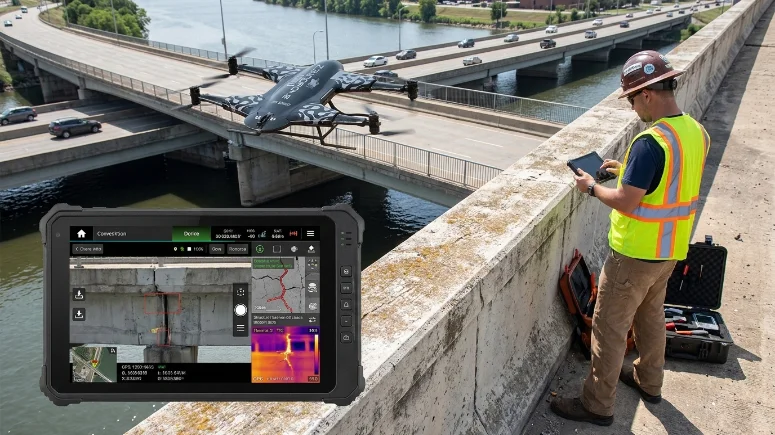
Modern drone bridge inspection workflows integrate advanced aerial platforms, intelligent sensors, and cloud-based data processing to create highly detailed structural assessments. Unlike basic aerial photography, professional bridge inspection drones carry enterprise-grade systems capable of collecting engineering-level datasets.
High-Resolution RGB Cameras
High-resolution RGB cameras capture cracks, corrosion, concrete spalling, rust, joint failures, and cable damage with precision. Zoom-capable cameras allow inspectors to analyze components safely from a distance, eliminating unnecessary personnel exposure.
Photogrammetry
Photogrammetry uses overlapping drone images to generate precise 3D bridge models. This approach delivers accurate measurements, structural geometry analysis, surface condition mapping, change detection over time, and permanent digital archiving. Engineers can revisit inspections virtually without returning to the physical site.
LiDAR Bridge Inspection Systems
LiDAR bridge inspection systems use laser scanning to capture millions of accurate spatial data points. This technology proves particularly valuable for under-bridge mapping, structural deformation analysis, pier scour assessment, and penetrating vegetation near structures. Because LiDAR performs well in low-texture environments, it works effectively on both steel frameworks and concrete surfaces.
Thermal Drone Inspection Technology
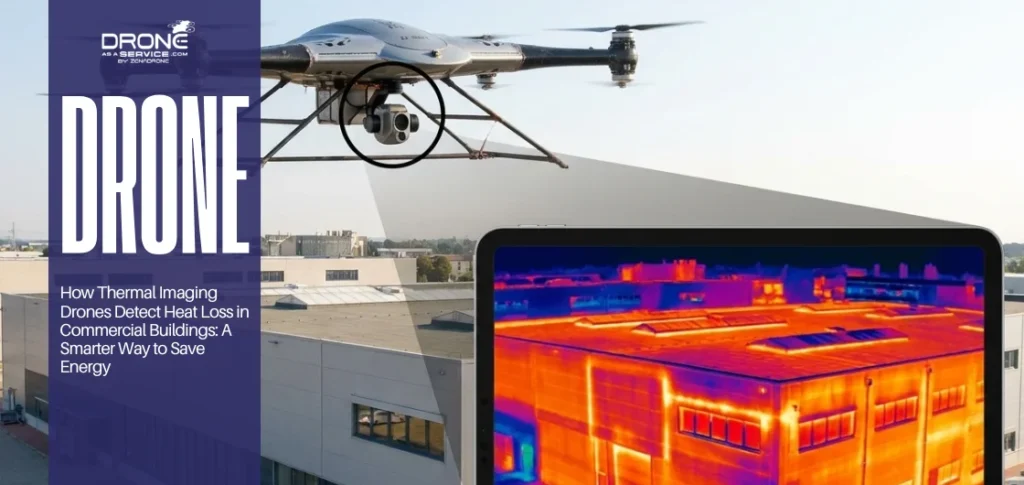
Thermal drone inspection technology identifies heat anomalies that indicate moisture intrusion, delamination, internal voids, electrical faults, and water infiltration. Thermal imaging detects hidden issues that remain completely invisible during standard visual inspections.
RTK-Enabled Positioning
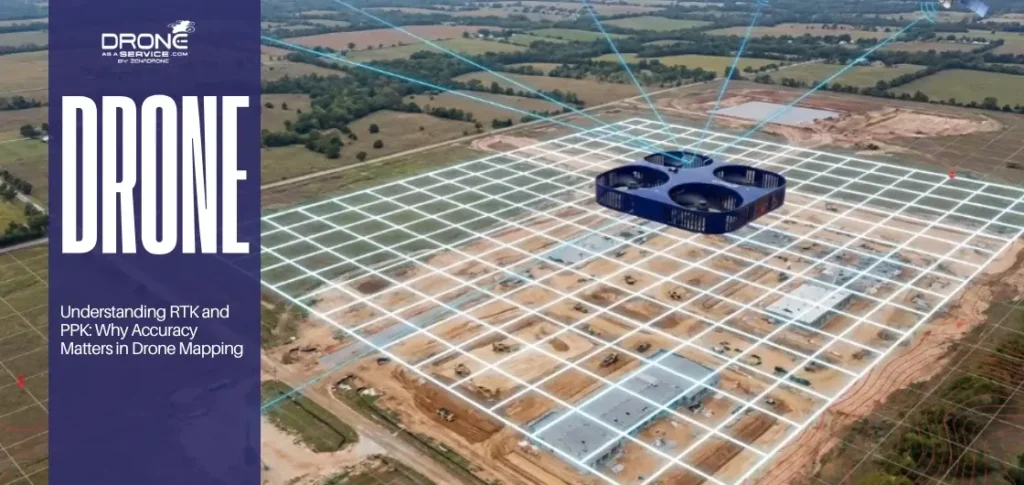
RTK-enabled drones improve positional accuracy to centimeter-level precision. This ensures repeatable inspections and reliable mapping datasets while improving asset tracking, defect localization, GIS integration, and long-term maintenance planning.
The Problem-Solving Workflow Behind Every Successful Drone Inspection
Professional drone inspection operations follow a structured workflow designed for safety, regulatory compliance, and data quality. Effective problem-solving begins well before a drone ever leaves the ground.
Site Planning and Risk Assessment
Site planning and risk assessment come first. Teams evaluate airspace restrictions, traffic conditions, wind conditions, GNSS interference, structural hazards, and emergency landing zones. Operational risk assessments similar to SORA frameworks guide this preparation process.
Flight Planning
Flight planning follows. Pilots create automated flight paths covering deck surfaces, piers, expansion joints, bearings, under-deck areas, and suspension systems. Waypoint missions ensure consistent image overlap and complete structural coverage throughout.
Data Capture
During data capture, the drone collects high-resolution imagery, LiDAR point clouds, thermal datasets, GPS metadata, and video footage. Specialized software then converts this raw data into orthomosaics, 3D models, thermal maps, structural measurements, and defect reports.
Final Reporting
Final reporting delivers annotated defect imagery, maintenance recommendations, GIS-compatible datasets, historical comparisons, and risk prioritization. This output allows engineers to transform raw field data into actionable intelligence.
Technology Driving Problem-Solving in Infrastructure Inspections
Photogrammetry and 3D Modeling
Photogrammetry bridge inspection workflows depend heavily on image quality and strategic image overlap. Modern inspection drones can capture sub-millimeter detail, enabling engineers to identify hairline cracks and early-stage surface deterioration.
Engineers can obtain accurate measurements from the resulting 3D models, surface texture visualization, structural documentation, and long-term monitoring datasets. These digital models are increasingly becoming permanent infrastructure records for asset management systems.
LiDAR Bridge Inspection Systems
LiDAR bridge inspection systems are transforming infrastructure mapping by collecting highly accurate spatial geometry even in difficult environments. This technology moves quickly across large-scale structures and captures reliable measurements in low-light conditions.
Thermal Inspection Technology
Thermal drone inspection technology provides insights impossible to obtain through visual methods alone. Thermal anomalies reveal moisture intrusion, delamination beneath concrete surfaces, insulation failure, electrical overheating, and water penetration that could remain hidden for years.
Artificial Intelligence and Automation
Artificial intelligence now automates defect detection and classification. AI systems can identify cracks, rust, spalling, corrosion patterns, and surface anomalies with impressive consistency. Machine learning models reduce manual review time and improve inspection reliability across large bridge networks.
Digital Twin Technology
The bridge inspection digital twin represents perhaps the most significant advance in problem-solving for infrastructure management. Digital twins combine 3D models, LiDAR scans, inspection history, sensor data, and maintenance records. This creates a continuously updated virtual representation of each bridge. Infrastructure agencies increasingly integrate these datasets into BIM and GIS systems for lifecycle analysis, maintenance forecasting, and remote engineering collaboration.
Real-World Problem-Solving Success Stories
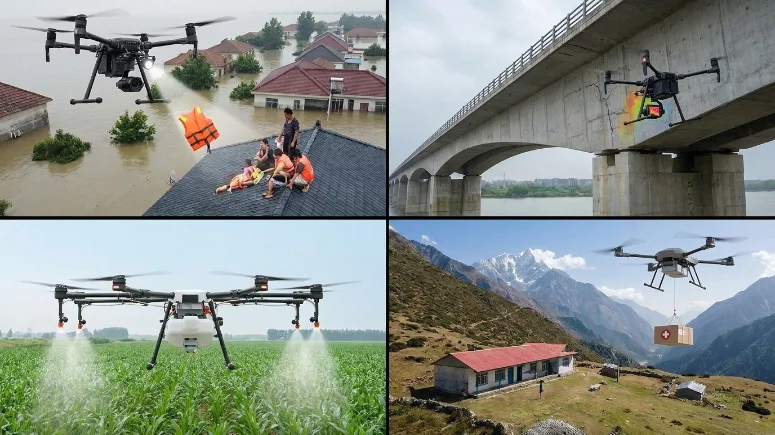
A regional municipality managing over 120 bridges implemented a drone bridge inspection program to address growing annual inspection delays. The results included a 65% reduction in inspection time, significant reduction in lane closures, faster defect reporting, and improved historical documentation. Instead of inspecting only critical bridges annually, the agency increased inspection frequency across its entire network.
A major highway bridge inspection previously required night closures, multiple crews, heavy equipment, and dedicated traffic management teams. Using bridge inspection drones reduced operational disruption dramatically. An inspection that previously required three nights of work was completed in a single operational window with minimal traffic impact.
During one thermal drone inspection, engineers identified abnormal moisture patterns beneath a concrete surface. Further analysis revealed early-stage delamination that would have escalated into major structural deterioration within months. Early intervention prevented emergency closures, expensive reconstruction, significant traffic disruption, and accelerated structural deterioration. This example demonstrates the true financial and safety value of proactive drone inspection problem-solving.
Understanding Drone Inspection ROI
Agencies can clearly see the financial case for drone inspection problem-solving when they compare operational costs directly. Traditional inspection expenses include lane closure equipment, traffic management personnel, access platforms, large inspection crews, and extended project timelines.
Drone inspections reduce labor requirements, accelerate inspection cycles, minimize traffic disruptions, lower equipment costs, and enable better long-term maintenance planning. Many agencies recover their drone program investment within the first few large inspection projects.
How to Implement a Drone Bridge Inspection Program
Organizations adopting drone bridge inspection programs should follow a structured implementation plan built around clear problem-solving objectives. Defining goals upfront around safety improvements, faster inspections, better data quality, and reduced operational cost provides direction for all subsequent decisions.
Equipment Selection
Equipment selection should match mission requirements. Enterprise inspection drones, RTK GPS systems, thermal cameras, LiDAR payloads, and collision avoidance systems form the core toolkit for professional bridge inspection operations.
Standard Operating Procedures
Standard operating procedures should address flight safety, data collection standards, emergency procedures, reporting standards, battery management, and data storage protocols. Pilot training must cover UAS pilots, visual observers, data analysts, and structural engineers because cross-functional collaboration drives inspection quality.
Infrastructure and Systems
Infrastructure agencies must also establish cloud storage systems, GIS integration capabilities, digital archive management standards, reporting formats, and QA/QC procedures. These systems transform raw drone data into lasting organizational knowledge.
Overcoming Common Drone Inspection Challenges
Weather Conditions
Strong winds, rain, and poor visibility affect flight safety. Flexible scheduling windows combined with dedicated weather monitoring systems allow teams to plan around adverse conditions without delaying project timelines significantly.
Data Processing
Large LiDAR and photogrammetry datasets require significant processing resources. Cloud-based processing workflows and scalable storage solutions resolve this bottleneck efficiently and cost-effectively.
Stakeholder Adoption
Some agencies remain hesitant to adopt drone inspections despite the clear benefits. Starting with pilot programs that demonstrate measurable ROI and safety improvements addresses stakeholder resistance with evidence rather than promises.
Regulatory Approvals
Controlled airspace and highway operations can complicate regulatory approvals. Working with experienced licensed operators who have established relationships with aviation authorities and highway agencies simplifies this process considerably.
The Future of Problem-Solving in Bridge Inspection
The future of bridge inspections will become increasingly autonomous, intelligent, and predictive. Emerging technologies include swarm drone inspections, real-time AI analytics, full BVLOS infrastructure operations, persistent digital twins, and automated defect scoring.
Eventually, bridges may receive continuous monitoring through connected inspection ecosystems integrating drones, IoT sensors, and predictive maintenance software. Instead of reacting to structural failures, agencies will anticipate and prevent them. That shift will improve public safety substantially while reducing long-term infrastructure costs for governments and transport agencies.
Conclusion
Bridge inspection drones are no longer experimental technology. They have become essential infrastructure management tools that deliver measurable value at every level of operation. By combining safer data capture, advanced analytics, LiDAR bridge inspection, thermal imaging, AI-powered analysis, and digital twin integration, drone inspections give infrastructure teams unprecedented visibility into structural health.
For municipalities, engineering firms, and transport authorities, adopting drone infrastructure inspection workflows has shifted from being an innovation priority to an operational necessity. The organizations that invest in these problem-solving systems early will gain significant advantages in safety, cost efficiency, asset longevity, and proactive maintenance planning.
Get Professional Bridge Inspection Drones for Your Infrastructure
Stop putting workers at risk and disrupting traffic with traditional inspection methods. Our certified drone specialists deliver comprehensive bridge inspections using thermal imaging, LiDAR, photogrammetry, and AI analysis. We capture detailed structural data, create 3D digital models, identify hidden defects early, and provide actionable reports that guide maintenance priorities. From initial planning through final reporting, we handle every aspect of professional infrastructure inspection safely and efficiently.