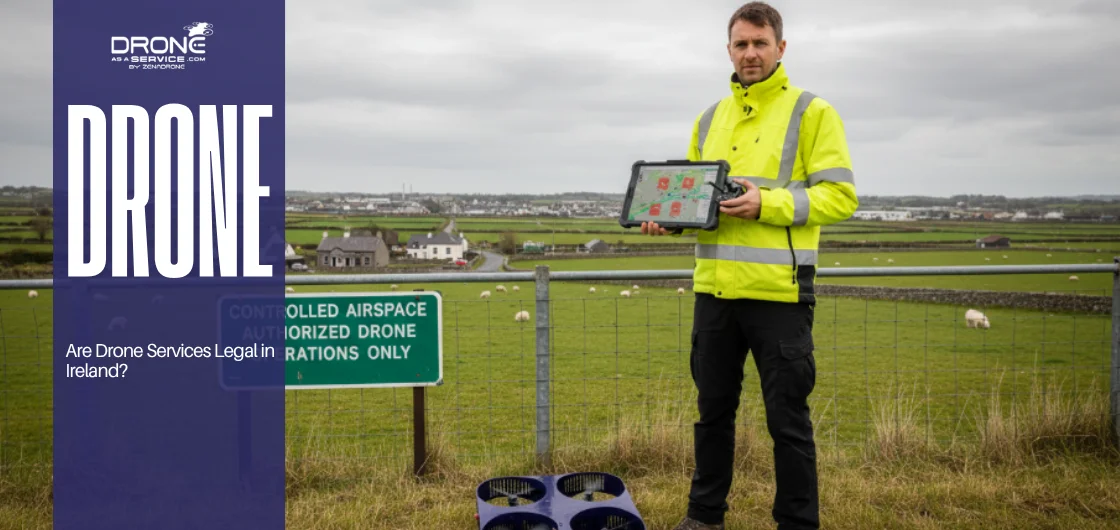
In Ireland, businesses are allowed to fly drones if they follow the rules set by the Irish Aviation Authority and EASA. Sticking to these guidelines helps you avoid fines, insurance problems, and keeps your flights safe.
If you work in construction, infrastructure, or other commercial fields, make sure you understand operator registration, pilot certification, airspace limits, and the paperwork needed before flying.
Always follow the rules, keep your licenses up to date, stay within the allowed limits, and do careful pre-flight risk checks to ensure safe and efficient drone use.
Introduction
Drone technology is now widely used across Irish industries. It’s now common across construction, agriculture, utilities, and infrastructure inspection. As adoption grows, many organisations are asking one key question: Are drone services legal in Ireland?
Yes, it is, but only if your operations strictly adhere to aviation and safety regulations.
Understanding the Irish Aviation Authority drone rules and their connection to EASA drone laws is crucial. By following these laws, you steer clear of penalties, protect your insurance, boost your approval odds, and strengthen your reputation.
However, failing to meet these requirements can bring your project to a halt and lead to serious financial setbacks.
This guide covers the basics of flying commercial drones in Ireland, including licensing, permissions, and important rules.
Why Drone Legality Matters for Businesses
Drone laws have a direct impact on how businesses operate. As such, complying with these rules takes more than just filling out forms. When you stay on the right side of UAV regulatory requirements, it protects your finances.
It also ensures your projects continue to progress. Ignoring the rules can result in fines, interruptions to your work, or even losing your right to operate. In many cases, your insurance may no longer cover you.
This means your company could have to pay for damages or claims from others. Public safety is another major concern.
When drones operate near people, property, or in controlled airspace, they need to follow safety rules to avoid injuries and disruptions.
Insurance companies usually require proof of compliance, pilot certification, and risk assessments before they will insure commercial flights. In project management, following regulations helps manage risks.
By including aviation compliance in their planning, businesses can keep projects on schedule and on budget. Additionally, it upholds stakeholder confidence and ensures the safe and legal use of UAVs.
Regulatory Framework in Ireland
Drones in Ireland are regulated by both national laws and EU guidelines. The Irish Aviation Authority (IAA) oversees drone operations. Meanwhile, every EU country must follow safety rules from the European Aviation Safety Agency (EASA).
Together, these organizations shape the rules that govern Irish drone regulations. Commercial and industrial drone operations must follow clearly defined operational categories. These categories are based on the level of risk.
Some of the requirements include:
- •Operator registration
- •Remote pilot competency certificates
- •Operational authorizations
- •Documented risk assessments for higher-risk missions
Meeting standards such as drone operator licensing Ireland involves more than simple registration. You may need to get IAA approval for certain flights and secure airspace permissions when needed. Likewise, you need to make sure pilots have the right EASA qualifications.
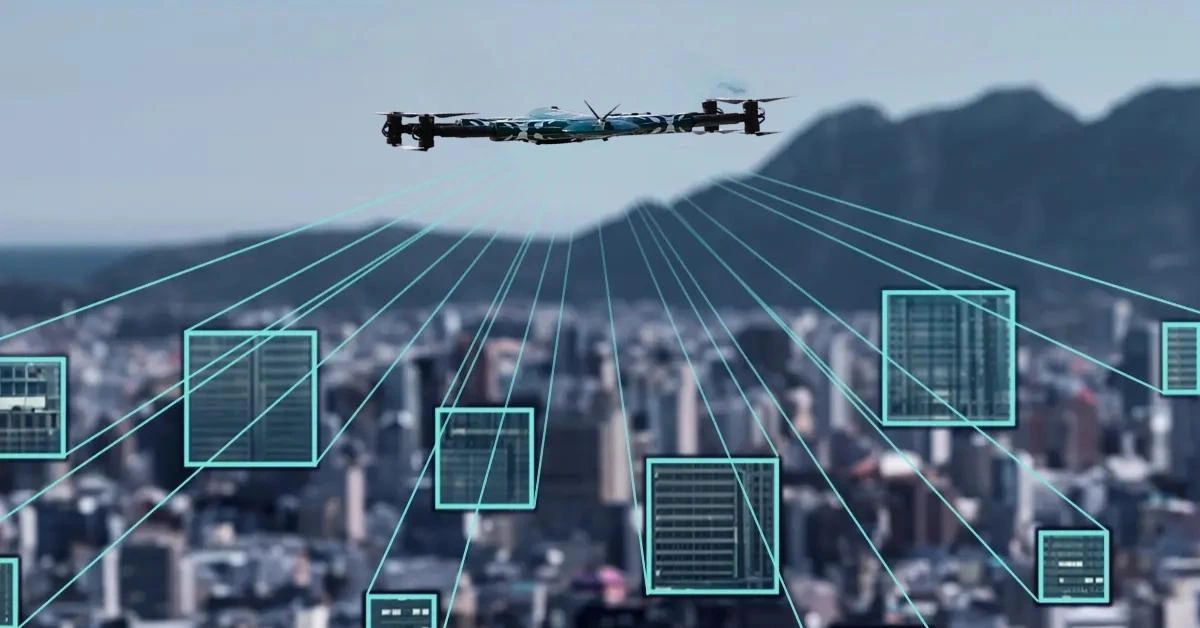
Drone Operating Categories & Permissions
In Ireland, drone operations are classified under three EASA risk-based categories:
Open Category: Includes lower-risk activities. You can carry out basic aerial photography or site overviews as long as you follow strict rules for altitude, distance, and safety. Flights must stay out of controlled zones and restricted airspace in Ireland unless you have permission.
Specific Category: Covers higher-risk commercial activities. This includes infrastructure inspections, industrial surveys, or flying near people and built-up areas. Before starting, operators usually need a risk assessment and approval from the Irish Aviation Authority.
Certified Category: Applies to the highest-risk activities. This includes transporting dangerous goods or flying over large crowds. The strict regulations set by the European Union Aviation Safety Agency govern this level. Hence, most businesses don’t need to worry about it.
Licensing & Certification Requirements
This becomes especially important during regulatory inspections. Pilots need to complete the necessary training and get the certifications that fit their jobs.
Also, businesses must register as drone operators and display their registration number where it can be easily seen.
Using commercial drones also requires having up-to-date aviation insurance. When operating drones in Irish airspace, there are legal obligations to follow.
If you don’t have the right license or insurance, you could run into serious trouble, including fines or even having your operations halted.
This becomes even more important when there is a regulatory inspection. Every business needs to keep accurate records.
By maintaining flight logs, risk assessments, authorizations, and insurance documents. It will also help you in drone risk management.
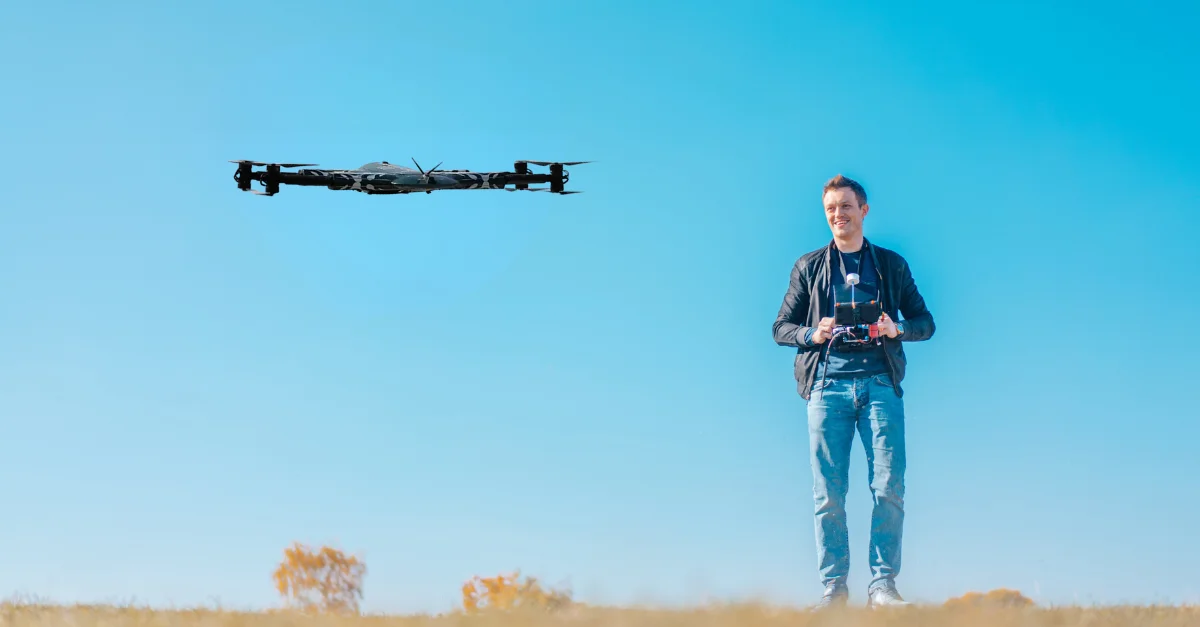
Operational Rules & Safety Requirements
For businesses asking the question: Are drone services legal in Ireland? The main factor is whether you meet the required safety rules. Most flights must stay below 120 meters and remain within your line of sight.
Proper pre-flight preparation is essential to stay compliant. Following these rules helps prevent accidents and keeps everyone safe. Extra rules apply if you fly over crowded cities, in controlled zones, or near airports.
Always check local rules before flying, as you may need special permission for restricted airspace. In cities, follow stricter safety checks. Getting ready for a flight is important to follow the rules.
Companies should keep records of their risk checks and make sure all equipment works well. Also, check the weather and confirm pilots have the right credentials before flying.
Consequences of Non-Compliance
The Irish Aviation Authority treats rule breaches seriously and may give you a fine, stop you from flying, or take away your permits. Not following EASA drone laws in Ireland can also lead to more detailed inspections. Using drones in business also comes with risks if rules are ignored.
You might find yourself facing the loss of important authorizations, delays in your projects, or even having to ground your drone. These issues can lead to setbacks in delivering to clients, conducting inspections, or completing infrastructure tasks. When operators break the rules or lack the necessary licenses during an incident, insurance companies may deny claims.
Staying compliant with the law helps your business thrive and maintains your good relationship with regulators. By adhering to IAA and EASA regulations, you can minimize risks and meet your contractual commitments. As a result, it helps build trust with your stakeholders and clients.
When Businesses Should Use Drone Services
In Ireland, aerial work includes inspections, land surveys, mapping, and asset monitoring. Drones collect data faster, with greater accuracy and far less risk than traditional methods, which often come with higher safety risks.
Due to these benefits, drones are a useful tool in construction, agriculture, utilities, and managing infrastructure.
Deciding whether to hire professional UAV operators or handle drones in-house depends on how complex your operations are. It also matters which regulations you need to follow. For higher-risk tasks, such as flying near people, in cities, or in restricted airspace, certified pilots are usually required.
You also need proper commercial drone compliance to meet IAA and EASA standards. Understanding when businesses need drone services helps keep projects efficient, safe, and compliant.
Using drones in a smart way, whether by hiring specialists or training your team, lets companies gather useful information. They also strictly follow Ireland’s aviation rules and risk management guidelines.
Best Practices for Legal Drone Operations
If you plan to use drones in Ireland, following the rules is essential, set by the Irish Aviation Authority and EASA. When businesses make compliance part of their routine, they lower risks and protect their assets.
Here are some important best practices for using drones legally:
Plan Ahead for Regulatory Compliance
By planning ahead, you can be ready for any inspections. To stay prepared, consider these helpful steps:
- •Figure out which operational category fits your situation: Open, Specific, or Certified.
- •Make sure you have all the required authorizations.
- •Check for any airspace restrictions in your area.
Use Licensed Operators
Make sure your remote pilots have the right certification. Your business also needs to be registered as a drone operator.
Document Every Flight
Documentation is essential to support audits and insurance requirements. To ensure you have all the required documents for each flight, keep the following in mind:
- •Logs
- •Risk assessments
- •Authorizations
Maintain Insurance Coverage
Ensure your policies align with your planned operations and comply with all regulations.
Follow Operational Checklists
Doing pre-flight inspections, checking equipment, and holding safety briefings helps reduce human error.
Ongoing Compliance Monitoring
Regularly review updates to IAA or EASA rules to ensure our procedures remain current.
By adopting these practices, businesses can operate drones in a safe, efficient manner that complies with Ireland’s laws.
FAQs
Business Takeaway
Are drone services legal in Ireland? Absolutely. Drone services in Ireland are allowed, provided all regulatory requirements are met. For this, companies must ensure operator registration, pilot certification, insurance coverage, and adherence to both IAA and EASA rules.
Staying legally compliant helps protect projects from fines, delays, and insurance problems. It also helps people use drones safely and effectively. When companies adopt the right practices for commercial drone use, they foster trust with their clients and stakeholders.
To get the most out of drones, make sure you plan ahead, keep good records, and check your operations often. By putting safety and compliance first, Irish businesses can use drone technology effectively and follow the rules.
Fly Legally With Certified Drone Operators in Ireland
Work with licensed and insured drone professionals who meet all IAA and EASA requirements so your operations stay compliant, safe, and on schedule.