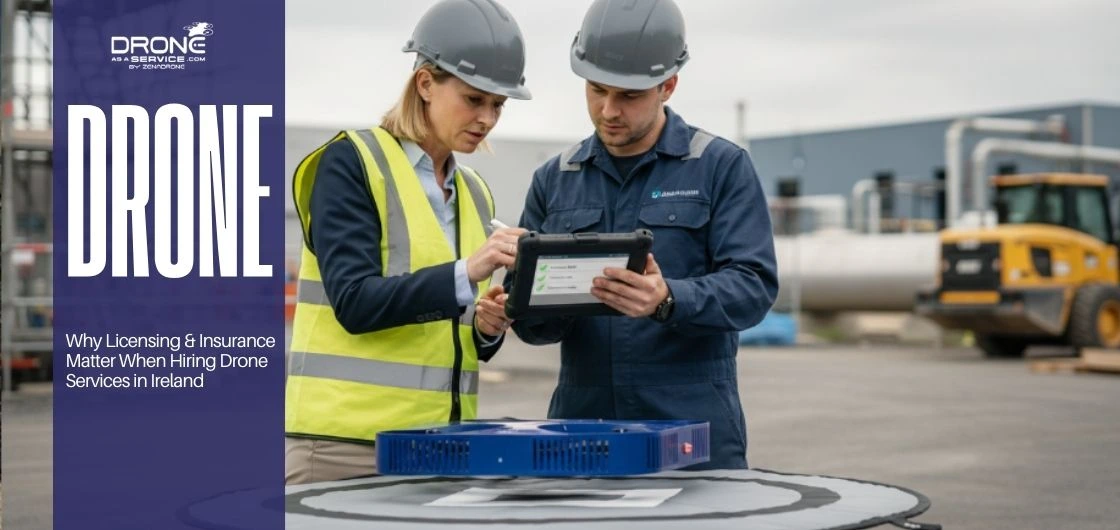
Hiring a licensed drone pilot in Ireland is essential for keeping aerial operations compliant with national aviation rules.
Comprehensive insurance protects against property damage, third-party liability, and unexpected business disruption.
This article explains licensing, insurance, common misconceptions, and how they protect long-term business operations.
Why Licensing and Insurance Are Business Issues
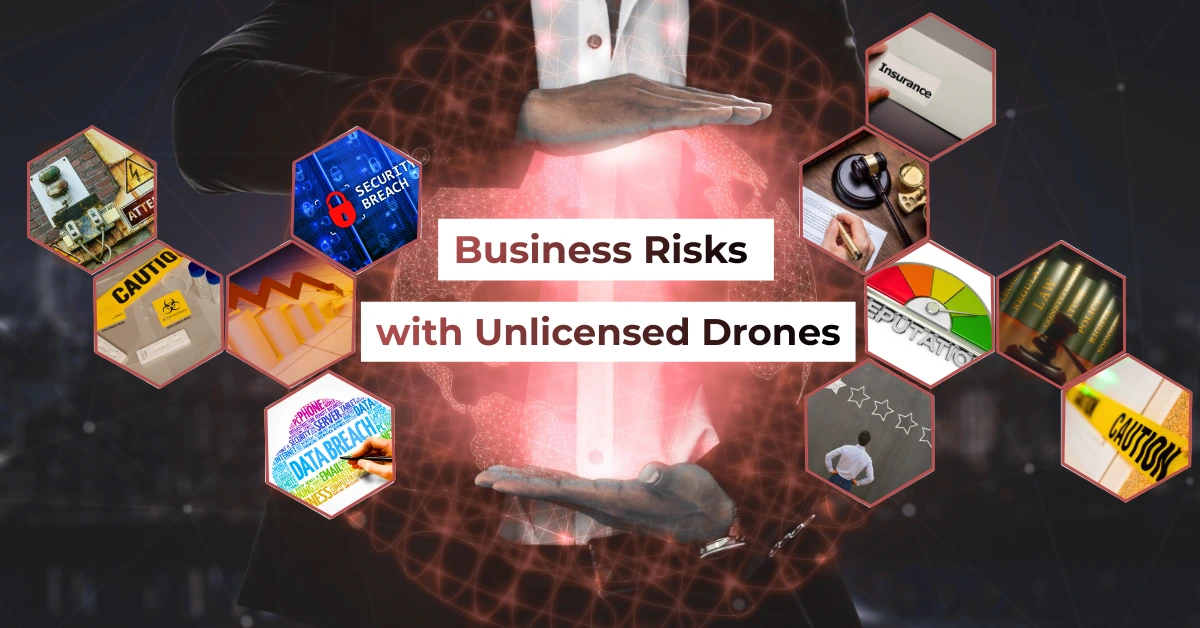
Licensing and insurance reduce business risk during commercial drone operations. Organizations must prioritize these factors to ensure full legal accountability and minimize financial exposure.
The business use of drones requires a formal compliance framework to prevent operational disruptions or regulatory scrutiny. Failure to verify these credentials leaves a company vulnerable to litigation and significant third-party liability.
Hiring a drone provider shifts risk, so credentials must be verified and clearly documented. Without proper checks, businesses may end up sharing liability with the contractor and such a gap is created in their own corporate insurance policies.
Professional standards in this sector ensure that any incident, however minor, is handled through a structured legal framework that protects the hiring entity from direct third-party claims.
Accountability in aerial operations is a strategic requirement for maintaining project continuity and protecting human and capital assets. Executive leaders must recognize that an unlicensed operation causes a safety protocol breach which leads to immediate suspension of site activities.
By prioritizing these business-critical factors, an organization is committed to operational excellence and proactive hazard mitigation within their supply chain.
What Licensed Drone Pilot Means in Ireland
A licensed drone pilot in Ireland is someone proven to operate drones safely in real working conditions. This shows they can handle complex environments and maintain control during flights and keep the aircraft under control.
Compliance with drone regulations in Ireland is an essential element of this professional position, which gives a basis to safe and predictable flight. Companies utilizing licensed drone operators enjoy the advantage of accuracy in operations and adherence to societal safety. Implementing this certification entails stringent evaluation of the skills of the pilot to recognize the hazards and adopt effective mitigation measures.
A professional drone operator is trusted to make real-time safety decisions during flights that can make the critical safety decisions in dynamic site conditions. This authorization assures enterprises their aerial data is collected by a qualified expert. Competent pilots ensure every flight is conducted within the parameters defined for commercial activities across industrial sectors.
Why Irish Businesses Carry the Real Liability
Legal and financial responsibility for aerial incidents often rests with the hiring entity. Organizations should implement risk management for drone projects to minimize third-party liability. Allowing unlicensed flights places all responsibility for damage or injury on the business.
Hiring unlicensed operators can immediately void the primary corporate insurance policy. Regulatory agencies can charge the business with failure to carry out proper due diligence in procurement. When a company acts outside the legal system, this can lead to fines and legal actions.
A business without a verified operator to aid operational decisions puts the business at a greater risk of direct litigation. Conducting all missions by a certified professional safeguards the long-term interests of the organization.
What Insurance Covers in Professional Drone Operations
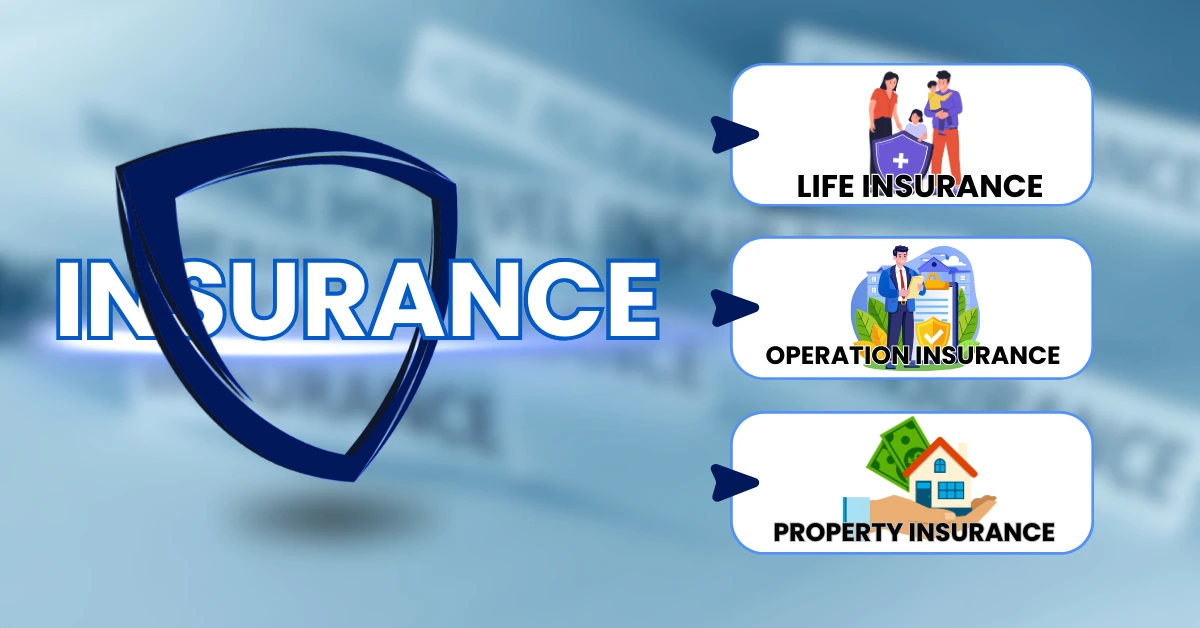
Aviation insurance protects key business assets, including people and critical site infrastructure. Insured drone operations guarantee accidental damage to third-party property is financially covered. This protection is essential for maintaining high operational safety during complex aerial tasks.
Comprehensive coverage supports business continuity by mitigating the financial impact of unforeseen flight incidents. These policies protect the enterprise against costly litigation from accidental injury to the public or employees. Adhering to recognized drone safety standards is often required to maintain this protection.
Insurance allows businesses to use drones without carrying full financial risk since all liabilities are managed. It offers a safe platform to missions operating in adverse conditions without exposing the company capital. This strategic defense would keep the projects viable in case there are technical or environmental failures.
Why Licensing Alone Is Not Enough
Licensing confirms a pilot has the technical skill to operate an aircraft safely in Irish airspace. However, this certification does not provide financial security for the hiring organization during an accident. Regulated drone operations need both technical competence and financial protection.
Understanding the distinction between these two requirements is essential for maintaining compliant drone services. The following points highlight how each element addresses specific areas of enterprise risk:
- •Licensing verifies that the operator understands the legal boundaries and safety protocols of aviation.
- •Insurance provides the necessary capital to address third-party claims or property damage after an incident.
- •A license proves competence, while a valid policy ensures the service provider’s financial accountability.
Relying solely on a pilot qualification leaves an organization exposed to high litigation and repair costs. Combining these two pillars creates a comprehensive safety framework that protects the business’s long-term interests.
What Can Go Wrong Without Proper Coverage

Commercial drone operations in Ireland without proper safeguards can disrupt projects in operations and logistical hassles. Companies that neglect such practices as licensing and insurance can end up with problems that endanger the whole project.
Such failures are often due to the absence of formal control and professional neglect. Examples of the dangers of low quality commercial drone work include:
- •Project Delays: Site safety officers or local authorities may ground unwarranted flights leading to expensive construction or survey time wastes.
- •Inaccurate Data: Unlicensed pilots may lack the technical calibration skills required to produce data that meets engineering or legal accuracy standards.
- •Liability Disputes: An accident involving an uninsured drone creates a complex legal situation where the business and contractor disagree over financial responsibility.
- •Compliance Failure: Non-regulated flights might lead to the imposition of formal warnings or fines by the aviation authority, which may affect the company in the future with regard to obtaining permits.
A certified pilot is capable of circumventing errors in operation, and insurance is a precaution measure against unexpected technical failures. The presence of both aspects will assist companies to retain business continuity and save their reputation in the Irish market.
Common Misconceptions Irish Businesses Have
A common misconception among Irish businesses is that a standard business insurance will reimburse the risks involved in commercial drone operations.
In Ireland, the majority of general liability policies do not cover incidents related to aviation as a matter of standard cover. Drone services in Ireland require a specific aviation policy to safeguard hiring organizations.
Another misperception is that small drones do not need to have a certified pilot in short missions. All drones deployed to achieve commercial benefit should comply with the legal framework provided by the aviation authority. Permitting uncertified flight operations poses an immediate legal and financial liability to the business.
Certain decision-makers think that a pilot license can ensure financial security. Licensing and insurance are two different requirements that cover two different areas of operational and financial risk. The only way to guarantee that a project is up to modern safety and compliance standards is by verifying both.
What Businesses Should Verify Before Hiring Drone Services
Businesses should verify that a provider holds a valid pilot competency certificate and active commercial aviation insurance. These documents serve as the primary evidence of a contractor’s ability to operate within the legal framework. Confirming these credentials ensures that the aerial mission is handled with professional oversight and accountability.
A thorough review of a provider’s safety documentation is essential for maintaining corporate compliance and site safety. Decision-makers should evaluate how a contractor manages risk and the measures they take to protect personnel.
Choosing a compliant drone provider starts with understanding how to choose a compliant drone provider, including reviewing their safety history and ensuring they meet national regulations.
Data security in drone operations is also an important aspect of verification. Organizations must ensure that the information that has been captured should be stored and processed in line with the existing privacy and protection standards. This verification prevents physical safety problems and digital compliance breaches to the business.
How Licensing and Insurance Protect Long-Term Business Interests

Licensing and insurance protect long-term business interests by keeping aerial operations resilient against legal and operational challenges. These elements support the safe adoption of new technology without affecting current corporate stability.
Adherence to these standards demonstrates to the stakeholders that the organization has the goal of sustainable growth and responsible risk management. By developing a compliant structure, the strategic goals of the business are safeguarded in multiple aspects:
- •Project Continuity: Verified credentials prevent sudden legal pauses or regulatory shutdowns that could derail critical infrastructure timelines.
- •Client Confidence: Maintaining rigorous safety standards builds trust with partners who require high levels of corporate accountability and transparency.
- •Operational Reliability: Professional standards ensure that data collection remains consistent and accurate over the entire lifecycle of a project.
Combining technical certification with financial indemnity creates a durable safety net that preserves the company’s reputation and asset value. Companies that integrate such compliance provisions into their long-term strategy are in a better position to avoid the emerging regulatory challenges in Ireland.
Reducing Risk Starts Before the Drone Takes Off
The foundation of safe drone operations is proper licensing and insurance. Adherence to these standards as a priority helps a business to be accountable and limit liability to third parties.
A cautious approach to procurement is essential to protecting the enterprise’s long-term reputation and assets. To avoid disruptions in the site, decision-makers should be aware of the dangers of unauthorised flight operations.
These requirements should never be overlooked to make all aerial data collection legally sound and operationally secure.
The foundational safety of a project is determined by the compliance measures verified long before any aircraft leaves the ground.
Businesses that insist on these high standards effectively transfer operational risk to a qualified and financially backed professional framework. This disciplined strategy remains the most effective way to integrate drone technology while maintaining strict corporate responsibility.
FAQs
Hire Licensed and Insured Drone Operators in Ireland
Protect your business with certified drone professionals who carry full aviation insurance and comply with all Irish aviation regulations.