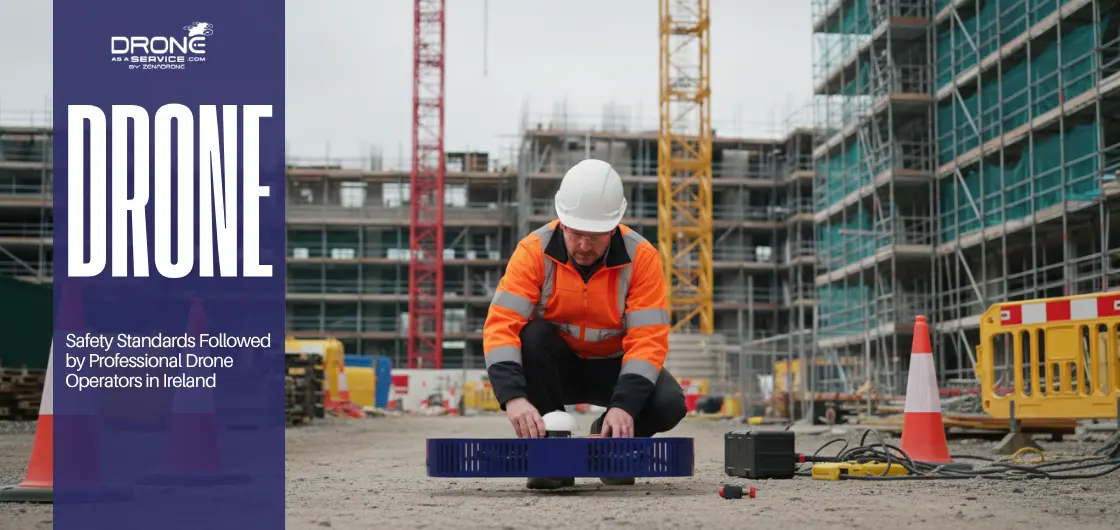
Commercial drone operations in Ireland follow strict aviation safety practices designed to protect public airspace, infrastructure, and people on the ground.
This guide explains the core safety rules set by the Irish Aviation Authority and EASA that help businesses manage operational risk.
For businesses using aerial inspections or surveys, following these standards helps maintain safe operations and responsible data management.
Introduction
Drone operations used for business purposes in Ireland must follow aviation laws designed to protect public safety and national airspace. The drone safety standards Ireland framework requires operators to work within the EASA “Open” and “Specific” operational categories depending on flight risk.
These rules ensure that aerial surveys, inspections, and mapping work can take place without interfering with manned aviation or putting ground assets at risk. Professional operators rely on structured procedures such as maintenance logs, emergency response planning, and ongoing pilot certification.
This guide outlines the current Irish safety framework, operational procedures used on site, and the rules governing aerial data protection. Knowing these standards allows businesses to use drone inspections with confidence.
Why Drone Safety Standards Matter for Businesses
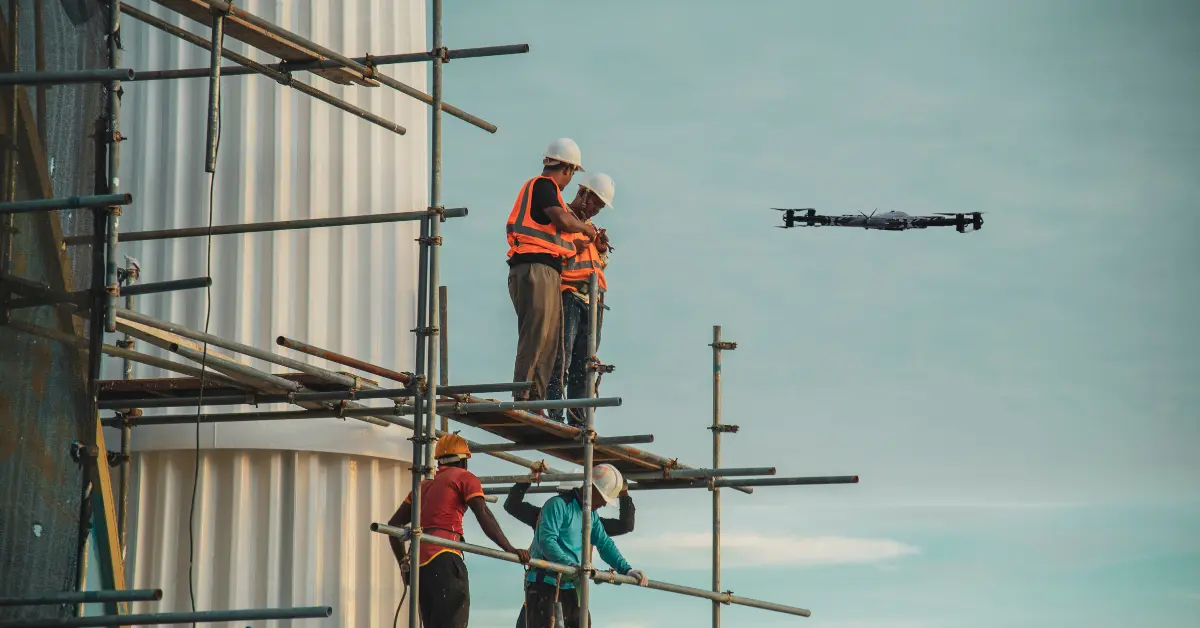
Strong safety practices are the first line of defence against risks to people, property, and critical infrastructure. Without clear safety procedures, businesses risk legal liability, insurance complications, and regulatory penalties.
Operational incidents can also damage a company’s reputation and weaken trust among clients, regulators, and the public. Working with compliant operators helps businesses maintain insurance protection and avoid liability linked to unsafe flights, which is why many organisations choose compliant drone service providers in Ireland for high-risk aerial operations.
Established safety procedures also help distinguish licensed operators from unqualified pilots attempting complex work. Structured risk planning allows teams to complete complex aerial missions safely, even in busy cities or near important energy sites. Consistent safety standards allow organisations to adopt aerial technology with greater confidence.
Regulatory Safety Framework in Ireland
The Irish Aviation Authority oversees drone operations in Ireland while applying the wider EASA aviation safety framework. Drone operations follow a risk-based system where aircraft weight, flight location, and proximity to people determine regulatory oversight.
All operators must meet regulatory safety requirements, including aircraft registration, an Operator ID, and certified pilot credentials. Most commercial drones must transmit Remote ID signals, allowing authorities to identify aircraft during flight. This system helps regulators monitor airspace activity and ensures operators remain visible when flying near controlled or sensitive areas.
Higher-risk missions often require a Specific Operations Risk Assessment (SORA) submitted to the IAA before work begins. This regulatory system ensures operators across Ireland follow the same aviation rules.
Operator Responsibilities & Safety Culture
Drone operators are legal responsibility for every stage of a mission, from aircraft maintenance to safe landing. Professional teams place safety and pilot judgement above speed, cost pressures, or operational shortcuts.
Pilots must regularly update their training to remain compliant with evolving EASA UAV safety rules, ensuring they manage technical failures effectively. Safety-first decision-making allows pilots to abort missions if weather or site hazards exceed safe flight limits.
Professional service providers maintain detailed flight logs and incident reports, tracking fleet health and crew performance over time. This transparency distinguishes professional teams from amateurs and gives clients a documented audit trail of safety compliance. By fostering this environment, operators reduce the likelihood of human error, a leading cause of aviation-related accidents worldwide today.
Pre-Flight Safety Standards
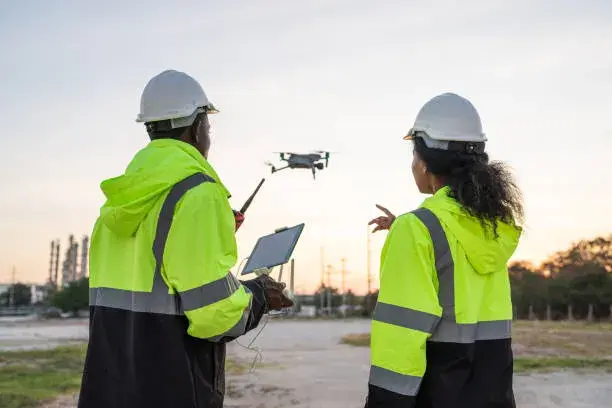
Pre-flight preparation starts with a full site assessment and a detailed review of potential operational risks. Operators review Irish Aviation Authority airspace maps to confirm that the location is clear for flight. Weather conditions are reviewed carefully to ensure wind, visibility, and rain levels remain within safe flight limits.
- •Airspace & NOTAM Check: Verifying temporary flight restrictions and nearby manned aircraft activity via the official IAA digital portal before every flight.
- •Risk Mitigation (RAMS): Preparation of a Risk Assessment and Method Statement on-site at the industrial location, and flight route to cover ground personnel.
- •Hardware Inspection: Physical walkthrough of the drone to ensure no motor wear, propeller cracks, or battery conditions before using the motors.
These protocols ensure all system readiness benchmarks are met before the pilot-in-command issues the “take-off” command to start the mission.
In-Flight Safety Procedures
Pilots must keep their aircraft within visual line of sight at all times during flight. Many teams also use trained observers to monitor surrounding airspace and nearby hazards.
Spotters manage safe horizontal separation distances from uninvolved people, vehicles, and active machinery on busy construction or infrastructure sites. Pilots monitor telemetry data such as signal strength and battery levels throughout the mission.
If a contingency occurs, the operator must follow predefined emergency procedures to land the aircraft in a designated “dead zone.” These in-flight procedures protect both the high-value drone equipment and the hiring business’s physical assets from damage. Constant communication between the flight crew and site management is essential to ensure drone operations do not conflict with ground activities.
Post-Flight Safety & Reporting
Shutting down and landing an aircraft is just as important as fulfilling its primary mission. The pilot must check for any structural stress on the hardware and monitor the battery temperature. This phase is crucial for detecting potential issues during an airworthiness inspection.
Professional pilots are required to document every flight, including those that encounter issues or technical difficulties, for official records. In commercial drone safety, there is a need for a standardized method to report incidents. This enhances safety supervision and helps identify trends and equipment problems within the industry.
The data gathered through aerial surveillance must prioritize the protection of user privacy and security principles to ensure the safety of all stakeholders involved. Reporting safety issues and improvements helps operators strengthen procedures and maintain accountability, effectively contributing to the satisfaction of their clients.
Data Protection & Operational Security
Irish companies are increasingly concerned about aerial data security, especially with drones frequently flying over private land and sensitive facilities. They want to ensure that captured images and videos are accessible only to authorized individuals.
Professional operators apply strict secure drone data handling practices to protect sensitive aerial information. These practices include encrypted storage devices, controlled cloud access, and restricted permissions for sensitive files. Data controllers for airborne operations must follow GDPR and UAV data protection in Ireland regulations.
Implementing privacy by design involves filtering faces or license plate photographs mistakenly obtained during a high-resolution site survey. Lastly, operators must have good signage and high-visibility clothing to make people know whom to approach about their privacy rights. Maintaining confidentiality standards is essential for businesses to avoid heavy administrative fines associated with data breaches in the European Union.
Audits, Reviews & Continuous Compliance
Regular safety audits help drone operators confirm that procedures remain compliant with current aviation regulations. These reviews involve a thorough examination of flight logs, maintenance records, and pilot training certificates to confirm all certifications. Regular audits enable businesses to identify potential safety gaps before they cause on-site accidents or regulatory fines from the IAA.
Operators must maintain accurate records because the Irish Aviation Authority can request documentation during inspections. As regulations progress, operators must revise safety manuals and UAV operational risk management plans to include the current legal requirements. Constant compliance keeps a service provider at the forefront of aviation safety technology and law on behalf of a client. For hiring businesses, a record of recent safety reviews strongly indicates an operator’s professionalism and commitment to risk reduction.
Best Practices Checklist for Hiring Safe Drone Operators

Choosing a drone operator should involve reviewing their safety history, certifications, and compliance documentation. Businesses should verify that the operator holds a valid IAA registration and that pilots have the correct competency certificates for the mission. This checklist helps businesses identify providers who follow recognised drone safety standards Ireland:
- •Verify IAA Registration: Ask for an Operator ID and confirm its status on the MySRS platform to make sure that it is up-to-date and operational.
- •Check Insurance: Ensure compliance with commercial insurance for EUR1.3 million in third-party liability at industrial premises valued at €785,200.
- •Review RAMS: Request a sample Risk Assessment and Method Statement to understand how they will address specific hazards and constraints.
- •Remote ID Compliance: Ensure their aircraft have active Remote ID broadcasting to comply with the Irish aviation law about transparency.
By following these best practices, managers can avoid the liability of hiring an uncertified pilot who may jeopardize the project’s success.
FAQs
Business Takeaway
Following recognised drone safety standards Ireland allows businesses to benefit from aerial technology while protecting people, property, and operations. Companies can secure projects by selecting professional operators who are well-integrated into the IAA and EASA regulatory frameworks.
The importance of collaborating with safety-oriented specialists lies in their capability to handle multifaceted risks, secure sensitive information, and deliver credible outcomes. Businesses that prioritise compliance and safety today will reduce operational risk and maintain trust with regulators and clients.
Ready to Deploy High-Standard Drone Solutions?
Partner with Ireland’s leading safety-compliant operators for secure, precise, and fully licensed aerial surveys. Let’s make your project a success with zero-risk operations.
“`